


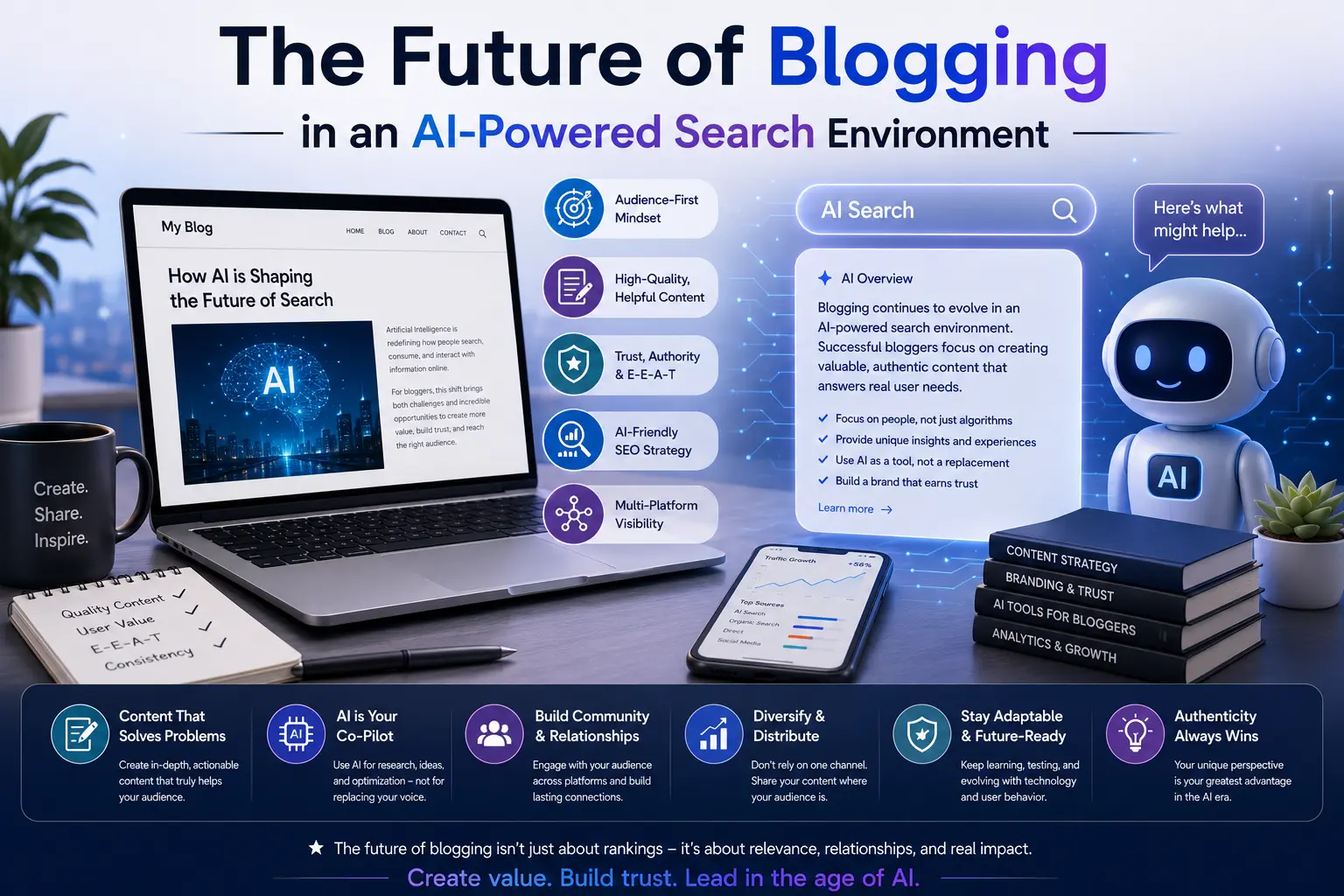
The traditional architecture of content discovery is shifting away from standard index grids toward immediate generative synthesis. Generative answer engines compile summaries directly at the top of search results, changing how consumers interact with written media. For independent creators and corporate publishing networks, this evolution requires a fundamental reimagining of what an article must deliver to earn sustainable organic visibility.
Survival in a synthesis-driven landscape means moving beyond surface-level summaries. Success requires focusing on information that algorithms cannot easily replicate or summarize without direct input from a human operator.
Shifting From General Information to Deep Experience-Led Insight
Generative systems excel at scraping, cross-referencing, and distilling static information, definitions, and generic listicles. Consequently, blogs that rely on rewriting existing public data face structural obsolescence. Future search visibility favors deep informational assets that provide explicit personal experience, technical experiments, and proprietary investigations.
-
Firsthand Case Studies: Publishing raw data, operational challenges, and genuine business outcomes creates exclusive documentation that search platforms require to train their answer engines.
-
Anecdotal Problem Solving: Embedding real-world human error and unexpected variables into tutorials adds practical validation that generative models cannot simulate.
-
Original Multimedia Integration: Supplementing written text with custom audio breakdowns, unique diagrams, or raw unedited video fragments builds strong user interaction metrics.
-
Subject-Matter Contrarianism: Offering logical, data-backed perspectives that challenge mainstream consensus creates unique brand identity and captures intent that standard content misses.
Restructuring Content Architecture for Answer Synthesis Engines
To maintain continuous traffic flow, content creators must optimize documents for two distinct audiences: human readers seeking nuanced depth and automated crawlers pulling direct quotes for conversational snapshots. Content formatting must become hyper-structured to ensure machine learning systems can accurately attribute source materials.
-
Incorporate Information-Dense Summaries: Lead complex chapters with clear, single-sentence declarations that answer high-volume user queries directly.
-
Deploy Transparent Editorial Profiles: Explicitly document the author’s real-world credentials, field history, and professional testing methods to satisfy modern authority guidelines.
-
Utilize Strict Semantic Headings: Organize structural sections around highly specific, long-tail problem statements rather than artistic or ambiguous titles.
-
Implement Structured Schema Layouts: Inject precise organizational, product, and article schema markup directly into the code to clarify the relationships between concepts.
The Rise of Community-Gated Equity and Diversified Platforms
Relying entirely on a single stream of search engine visibility introduces extreme vulnerability into a media business framework. As AI interfaces answer simple questions natively, blogs must evolve into holistic digital destinations where users actively choose to bypass search engines entirely.
Cultivating a dedicated community requires building owned distribution channels. Transitioning casual readers into email newsletter subscribers, active forum participants, or premium community members insulates traffic metrics from sudden algorithm updates. By transforming a blog from a standard text repository into a trusted brand destination, creators build long-term equity. This shift shifts the focus from chasing anonymous keyword clicks to commanding dedicated consumer attention across various media formats.
Conclusion
Blogging is not entering a period of decline; it is undergoing a profound filtration process. While low-effort, commoditized text faces elimination, human writers who champion original experimentation, rigid structural clarity, and owned community channels will secure a dominant place in the next generation of web discovery.
FAQs
Will conversational search engines completely eliminate click-through traffic to blogs?
No. While conversational interfaces satisfy simple informational queries directly on the results page, users seeking comprehensive verification, deep tutorials, or specialized advice still click through to source websites to review full contexts.
How should keyword research adapt to an AI-first search landscape?
Marketers should shift focus away from high-volume, low-intent terms that are easily synthesized by algorithms. Instead, target highly specific, long-tail questions, complex troubleshooting combinations, and opinion-based searches.
Does using AI writing assistants hurt a site’s chance of appearing in AI Overviews?
Using automation tools for structural outlining or copyediting does not restrict visibility. Search platforms prioritize content that delivers unique value, accuracy, and clear organization, regardless of the tools used during drafting.
What is the most effective way to demonstrate E-E-A-T in an article?
The most reliable method is to weave personal perspective and original documentation into the text. Include original data tables, behind-the-scenes photography, and detailed explanations of your personal testing processes.
How do I optimize my blog posts to be cited as a source in search summaries?
Ensure your articles feature crisp definitions, highly structured bullet lists, and explicit answers to core user questions located immediately beneath relevant subheadings to help systems crawl and cite your text cleanly.







Leave a Reply