


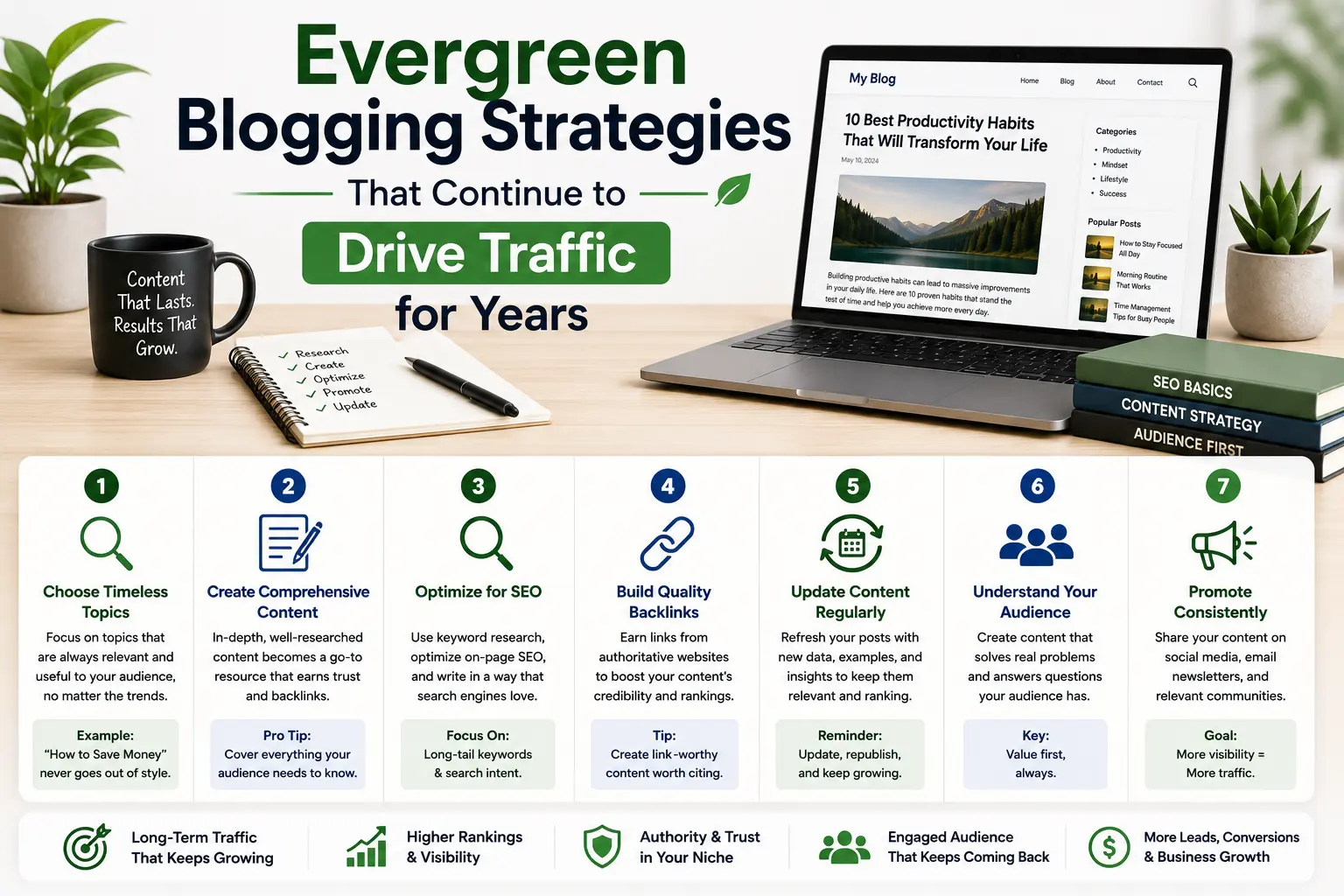
Publishing content that commands organic visibility for years requires shifting away from transient trends. Sustainable search traffic depends on building digital assets that retain value regardless of algorithm shifts. By focusing on foundational user intent and structural clarity, creators can secure consistent informational dominance.
Building Topical Authority Through Structural Architecture
Siloing content into interconnected frameworks transforms isolated blog posts into a powerful informational network. Search engines prioritize sites that demonstrate comprehensive coverage of a specific subject area over scattered commentary.
-
Establish Core Pillar Hubs: Create exhaustive foundational guides that address broad, high-volume subject matters comprehensively.
-
Develop Supporting Subtopics: Author hyper-targeted cluster articles that resolve specific, long-tail queries stemming from the central pillar.
-
Implement Contextual Internal Links: Use descriptive anchor text to connect subtopics back to the hub, distributing algorithmic equity seamlessly.
-
Eliminate Content Cannibalization: Assign distinct target intents to individual URLs to ensure unique pages never compete against each other.
Optimizing Content Elements for Modern Search Features
Securing modern search visibility requires formatting text to assist algorithmic extraction. Structuring data logically enables search systems to seamlessly parse answers for feature elements and direct summaries.
-
Craft Direct Definitions Immediately: Place concise, two-sentence answers immediately below primary subheadings to satisfy automated overview layouts.
-
Utilize Organized Parallel Structures: Present complex operational workflows or criteria via sequential lists to win featured list snippet placements.
-
Incorporate Quantifiable Benchmarks: Integrate exact metrics, ranges, and historical reference data points that solidify semantic relevance.
-
Maintain Universal URL Slugs: Exclude temporal indicators like specific years or transient phrases from web addresses to maintain permanent structural authority.
Executing Continuous Lifecycle Maintenance
True longevity relies on strategic updates rather than a hands-off approach. Durable content requires regular monitoring to preserve informational accuracy and satisfy user expectations.
Review the structural performance of older assets twice per year to identify expanding competitive gaps. Replace expired tools, broken references, and obsolete methodologies with modern, verified industry standards. After completing significant editorial enhancements, update the structural metadata to reflect the fresh revision date. This continuous maintenance model signals ongoing accuracy, preserving top rankings against newer market entries.
FAQs
What differentiates authentic evergreen content from standard blog posts?
Evergreen content addresses core human inquiries, foundational principles, or operational tutorials that remain relevant over extended periods. Standard blog posts often analyze temporary news, seasonal trends, or industry product launches that experience rapid traffic declines after initial publication.
How often should long-term articles undergo editorial review?
High-performing informational assets require comprehensive reviews every six to twelve months. This cadence ensures all technical recommendations remain accurate, external verification links function properly, and the text continues to satisfy user intent better than newer competing pages.
Do automated summaries reduce the value of long-term blogging strategies?
No, specialized structural formatting actually positions high-quality text to serve as the foundational source material for automated summaries. Providing precise definitions and data-backed insights increases the likelihood of being cited as a trusted reference.
Should publication years be included in article titles or web addresses?
Web addresses must remain entirely free of dates to prevent unnecessary structural migrations later. However, titles can include the current calendar year to demonstrate contextual freshness to active searchers, provided the underlying content is updated accordingly.
How do internal linking networks preserve historical search rankings?
Internal networks distribute user engagement and crawl equity evenly across a domain. Connecting newer cluster articles to older foundational pillars signals to search engines that the historical content remains relevant, updated, and central to the website’s expertise.






Leave a Reply