


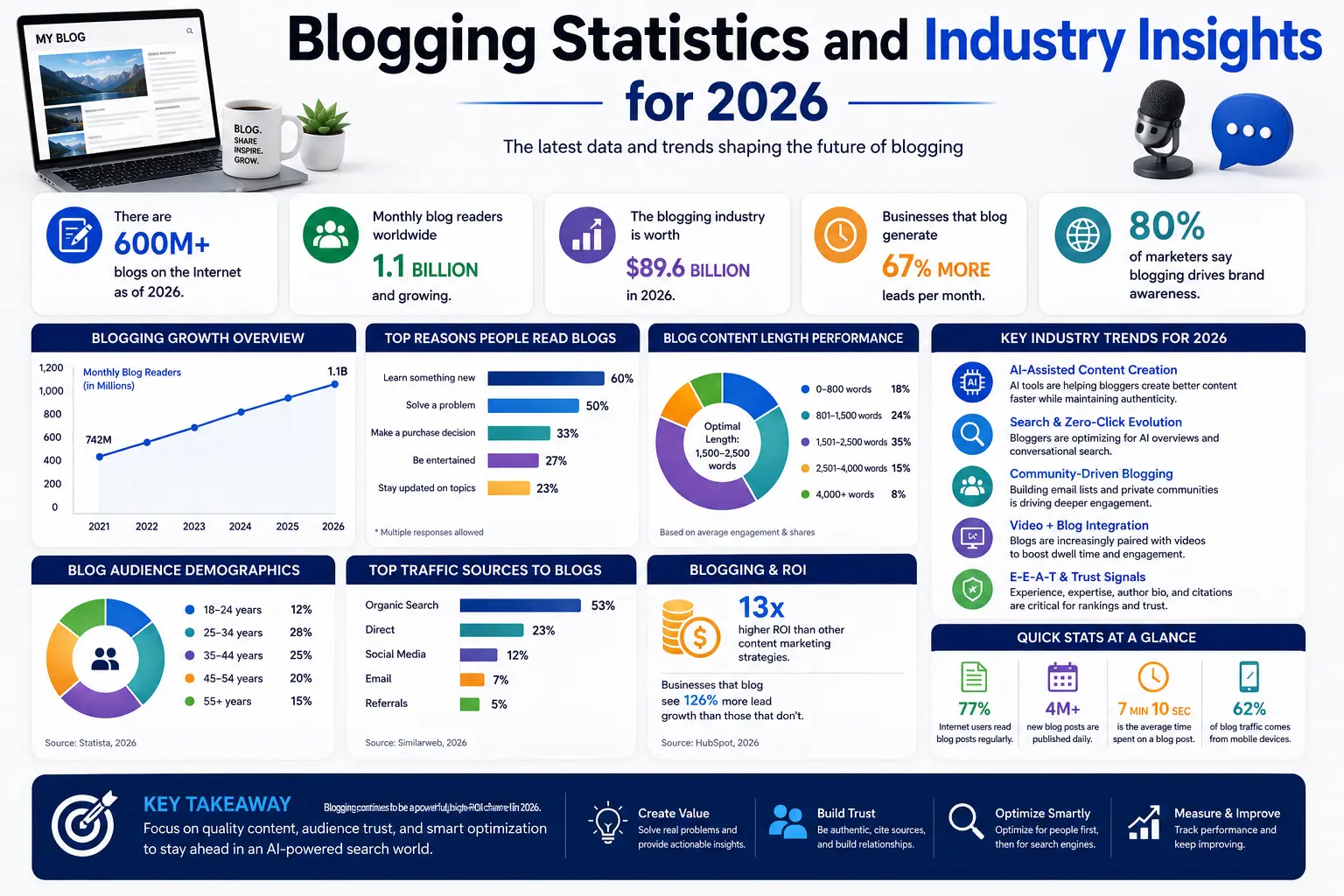
The structural realities of digital publishing are shifting as artificial intelligence integrations alter consumer search habits. No longer can a digital media enterprise find success by publishing generic, repetitive articles designed solely to rank for mechanical keyword combinations. The modern landscape requires content platforms to adjust their structural frameworks and operational priorities to align with evolving content curation engines.
Navigating the contemporary editorial environment requires a strong emphasis on data ownership, specialized insights, and clear visual organization. Examining current operational benchmarks reveals how successful modern web properties maintain authority and retain user attention.
Content Volume Metrics and Production Cycles
Publishing frequencies and resource allocations have reached a point of stabilization after a period of volatile experimentation. Content operations have largely moved away from mass-producing short, low-effort articles, focusing instead on deep, thoroughly developed digital assets that address complex user problems.
-
Average Long-Form Word Count: High-performing editorial resources average between 1,500 and 2,300 words per asset, allowing for comprehensive semantic coverage of competitive topics.
-
Production Speed Adjustment: Editorial teams require an average of four to six hours to write, optimize, and clear a single comprehensive post for distribution.
-
Publishing Cadence Realignment: Operational data shows that properties publishing two to three exceptionally thorough articles weekly capture better compound traffic growth than platforms posting daily summaries.
-
Media Resource Ingestion: Over seventy percent of top-ranking informational documents feature custom illustrations, step-by-step screenshots, or embedded original media to increase user interaction metrics.
Monetization Diversification and Revenue Scaling
The structural mechanisms used to sustain independent media operations have evolved beyond basic banner ad placements. High-performance monetization structures treat native page traffic as a stepping stone toward deeper, proprietary consumer ecosystems. Diversified income streams protect publishing organizations from sudden shifts in ad network payout rates.
-
Owned Subscription Frameworks: Premium newsletters and gated community networks have experienced an operational rise, representing over thirty percent of core revenue for mature content properties.
-
Contextual Affiliate Integration: Editorial platforms are focusing affiliate initiatives toward direct, hands-on product verification, abandoning automated product listing feeds that lack personal experience.
-
Direct Corporate Sponsorships: Custom brand collaborations and native editorial integrations have surpassed generic programmatic display ads in gross profitability per thousand page views.
-
Digital Asset Commerce: Leading informational platforms scale their profits by selling custom workflow toolkits, interactive frameworks, and education modules directly from their domain.
Search Engine Traffic Attribution and Discovery Shifts
The pathway a consumer takes from a search engine query to a destination article has changed significantly. Automated search answer generators synthesize high-level info natively on the results layout, leading to a consolidation of traffic distributions. Clicks are increasingly concentrated toward deep, authoritative articles that offer exclusive real-world documentation.
Because surface-level information is summarized directly by search engines, users only click through to websites when they require meticulous troubleshooting, verified mathematical examples, or trusted expert perspectives. This environment has elevated the functional value of strict semantic schema optimization. Ensuring structural code is error-free allows automated crawlers to easily parse, extract, and attribute quotes, driving highly targeted traffic to the source platform.
Conclusion
The modern landscape filters out repetitive, low-effort text while rewarding publishers who invest in original experimentation, clear layout organization, and diversified income streams. Adapting to these technical requirements guarantees long-term visibility in next-generation search ecosystems.
FAQs
What type of content ranks best in modern search engines?
Content that features original data, real-world case studies, and firsthand experiences consistently outperforms generic informational text. Search engines prioritize material that adds new, unique insights to the public index.
How have conversational search summaries affected total blog traffic?
While total click volume for simple, definition-based keywords has declined, click-through rates on highly technical, commercial, and complex troubleshooting queries remain strong as users look for complete verification.
Is display advertising still a viable monetization option?
Programmatic display advertising remains a reliable secondary revenue stream, but it is no longer sufficient as a primary business model. Top platforms combine display ads with private sponsorships, subscriptions, and digital products.
How long does a new article take to gain traction in search layouts?
On an established domain with solid authority, optimized articles generally find their baseline ranking position within three to six weeks. Newer domains require three to six months of steady publication to build trust with index algorithms.
Should blog posts be adjusted to target automated AI summaries?
Yes. Structuring sections with immediate, single-sentence answers followed by organized bullet lists helps automated systems parse and cite your content as an authoritative source in conversational summaries.






Leave a Reply