



Digital transformation is no longer a forward-looking goal. It is an immediate operational reality. Modern enterprises have moved past the initial phase of migrating data to remote servers. Today, cloud computing serves as the fundamental engine driving business agility, automation, and core survival.
As market conditions demand faster execution and absolute precision, businesses rely on a distributed digital setup. Cloud architecture provides the massive computational power, dynamic scaling, and advanced data storage required to run intelligent software systems at a global scale.
The Architectural Core of Modern Enterprise Operations
The current cloud landscape is defined by maturity, integration, and specialized utility. Organizations avoid relying on a single infrastructure footprint, choosing instead to match specific business tasks with optimal computing environments.
-
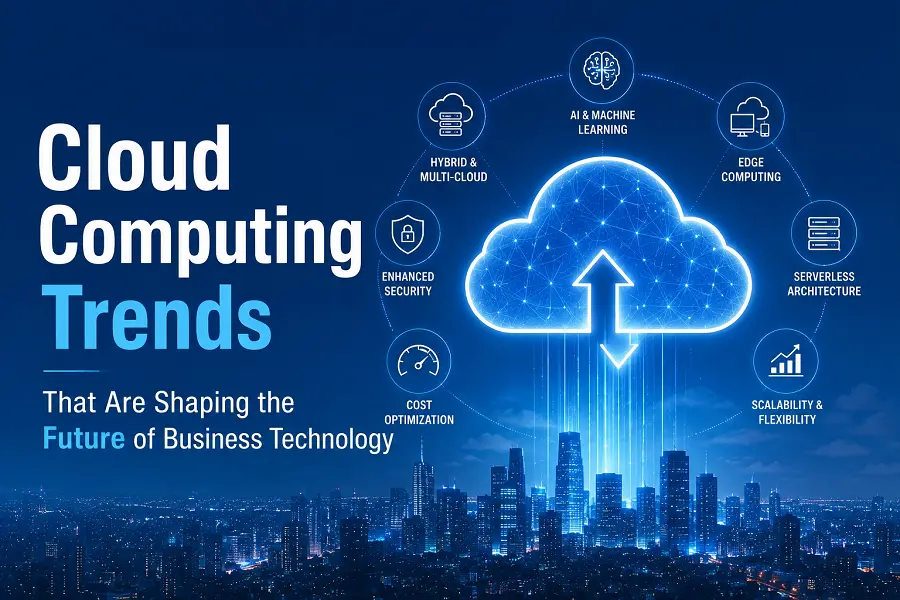
Hybrid Infrastructure Dominance: Modern corporate networks blend private, on-premise hardware with elastic public clouds. This balance allows companies to protect legacy financial or core operational systems while accessing the massive scale of public providers for consumer-facing systems.
-
Multi-Cloud Diversification: Businesses split workloads across multiple cloud ecosystems. This strategy prevents vendor lock-in, improves negotiating leverage, and increases regional system uptime by distributing risk.
-
The Rise of Sovereign Clouds: Stricter local data privacy laws have forced a shift toward localized data residency. Sovereign cloud environments ensure that personal user information remains within national geographic borders, ensuring seamless regulatory compliance.
-
Edge Computing Integration: Local data processing at the network edge minimizes latency. By computing data close to the physical device, enterprises can run instant logistics tracking and interactive systems without encountering data transport bottlenecks.
Practical Strategies for Cloud Optimization and Growth
Transitioning to cloud-native operations requires moving past the setup phase and focusing directly on daily efficiency and measurable financial returns.
-
Enforcing Strict Financial Discipline (FinOps): Rapid digital expansion often leads to unallocated waste from overprovisioned, idle compute resources. Organizations use automated monitoring frameworks to track real-time resource consumption, matching infrastructure spending directly to daily business revenue metrics.
-
Securing the Non-Human Identity Perimeter: The corporate attack surface has fundamentally shifted. Security teams now prioritize securing machine-to-machine connections, microservices, and automated service identities rather than just human passwords.
-
Implementing a Comprehensive Zero Trust Architecture: Traditional firewall perimeters are insufficient in a distributed environment. Security systems must continuously verify every user, device, and API request, treating all incoming data packets as untrusted until validated.
-
Mitigating Software Supply Chain Risks: With the rise of rapid coding practices and open-source packages, tracking software component integrity is vital. Enterprise platform teams utilize automated scanning to ensure third-party code snippets do not introduce critical vulnerabilities into production environments.
Accelerating Workflow Automation and Intelligence
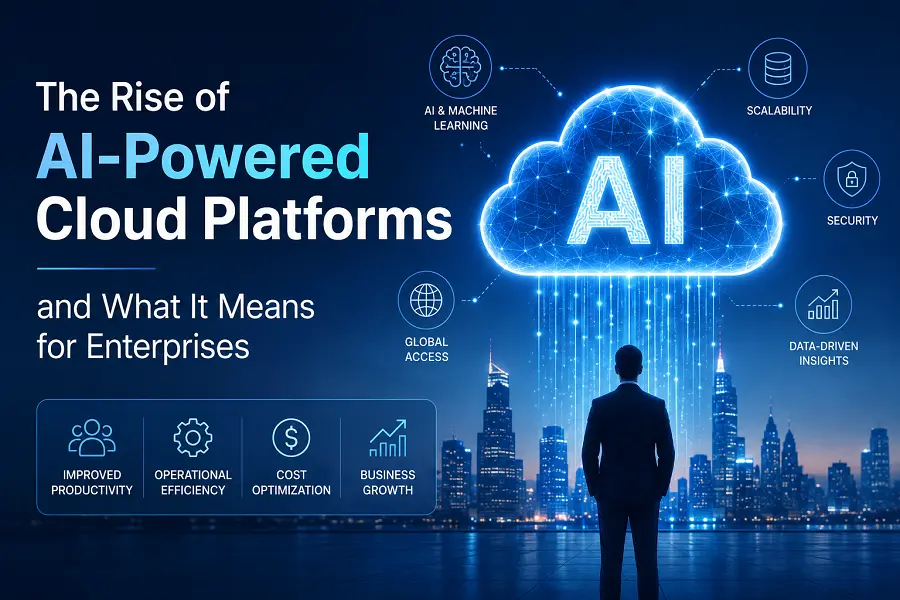
The ultimate value of modern cloud computing lies in its ability to democratize advanced computational capabilities. Instead of building complex infrastructure from scratch, companies leverage pre-built cloud services to deploy sophisticated automation directly into daily workflows.
Cloud-based data architectures gather disparate information silos into unified semantic layouts. This data consolidation allows automated business systems to monitor customer behavior patterns, evaluate procurement risks, and handle routine logistics without constant manual human oversight.
Furthermore, cloud platforms provide instant access to high-performance graphics processing hardware on a variable consumption basis. This setup removes the heavy capital investment barrier, allowing medium-sized enterprises to build custom machine learning systems, launch predictive maintenance tools, and scale operational efficiency at a highly predictable cost.
Conclusion
Cloud computing has evolved from a simple data storage alternative into the non-negotiable foundation of modern commerce. By embracing hybrid flexibility, enforcing rigorous security models, and focusing on cost optimization, businesses turn technological infrastructure into a distinct competitive advantage. Success in this landscape belongs to organizations that manage their distributed ecosystems with discipline, efficiency, and clear operational focus.
FAQs
What is the primary focus of digital transformation in 2026?
The core focus has shifted from initial cloud adoption and basic migration to operational optimization, cost management, and proving measurable returns on technology investments.
Why are companies adopting hybrid and multi-cloud strategies?
These strategies allow enterprises to maintain absolute control over sensitive data on-premise while leveraging specialized public cloud tools, avoiding vendor lock-in, and ensuring system redundancy.
What is FinOps and why is it important now?
FinOps is an operational discipline that brings financial accountability to cloud spending. It prevents budget overruns by using automated tools to eliminate overprovisioning and align cloud costs directly with business activity.
How does edge computing complement cloud networks?
Edge computing processes data locally, closer to user devices. This configuration slashes network latency down to minimal milliseconds, making it essential for instant data processing and local compliance.
What is the non-human identity perimeter in cloud security?
It refers to the massive network of machine-to-machine interactions, automated services, and software integrations that outnumber human users and require continuous validation under a Zero Trust security framework.





Leave a Reply