


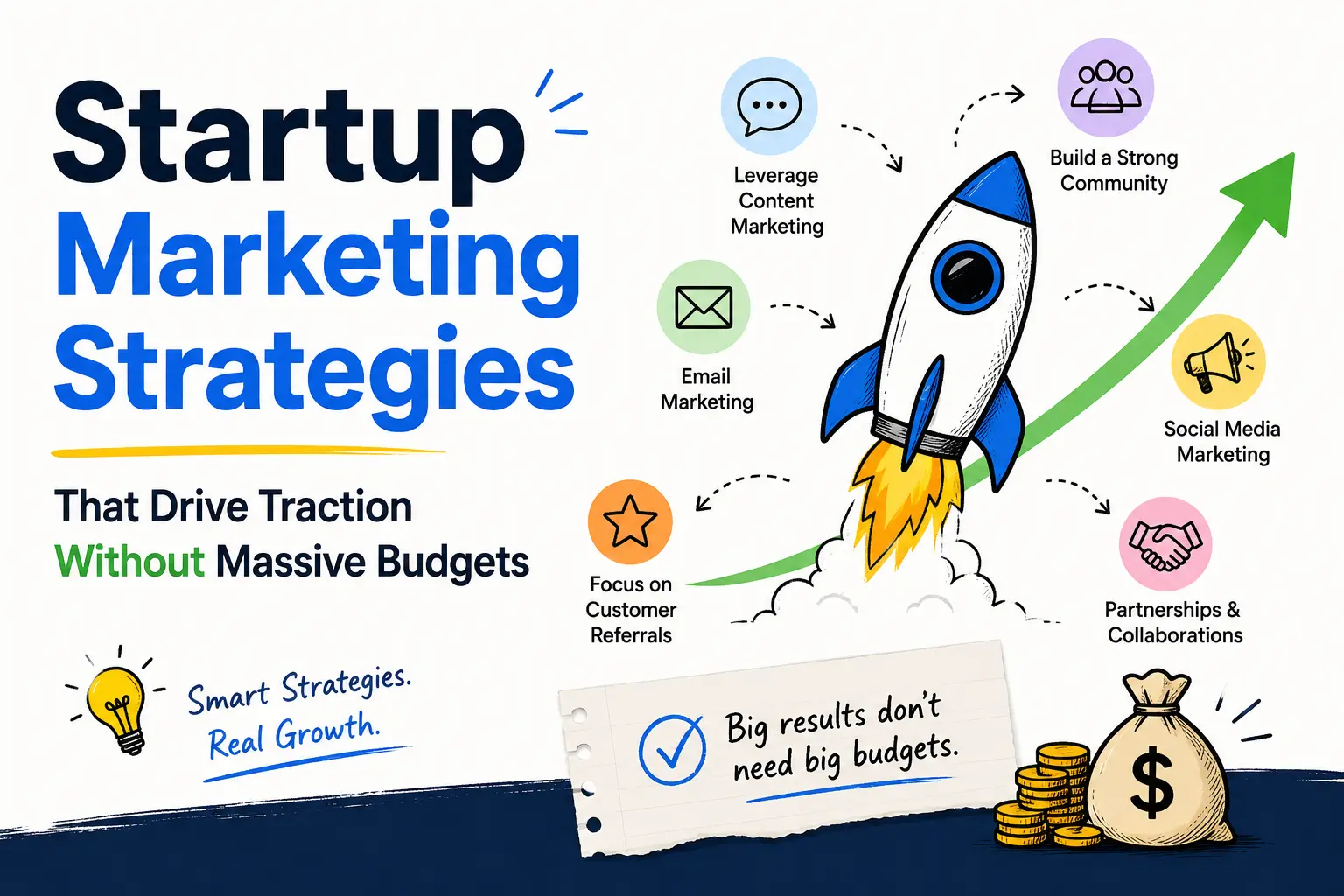
Securing initial market momentum is one of the most critical hurdles for any early-stage venture. While corporate incumbents deploy massive advertising capital to dominate mainstream media channels, early-stage companies must rely on tactical precision and resourcefulness. Building a highly visible brand does not require a multi-million dollar promotional budget; instead, it demands a deep alignment with user intent and a focus on high-yield, organic customer acquisition funnels.
By executing targeted, low-cost marketing frameworks, lean teams can cut through industry noise. Winning early customers requires a shift away from broad awareness campaigns toward hyper-focused, measurable engagement strategies that convert curious prospects into passionate brand advocates.
Dominating Niche Channels with Programmatic Content Engines
Attempting to rank for highly competitive, generic industry terms is an expensive and time-consuming mistake for resource-constrained businesses. A more effective approach involves building a highly specialized content framework that addresses long-tail, hyper-specific problem statements. By becoming the definitive answer engine for precise user pain points, you naturally capture high-intent traffic ready to make a purchasing decision.
-
Targeting High-Intent Long-Tail Keywords: Focus content production entirely on highly specific questions and operational challenges faced by your exact buyer persona rather than broad industry overviews.
-
Building Programmatic Templates: Create scalable, data-driven landing pages or free informational resources that dynamically solve localized problems for different user segments.
-
Repurposing Core Educational Assets: Transform a single deep-dive industry guide into snackable infographics, social text breakdowns, and quick audio insights to maximize platform reach without multiplying production costs.
-
Publishing Original Proprietary Data: Compile anonymized internal operational observations or survey results into unique trend reports that naturally attract organic backlinks from industry publishers.
Engineering Product-Led Growth and Organic Referral Loops
The most sustainable marketing strategy is one where your actual offering handles the customer acquisition workload. By embedding interactive, collaborative, or viral mechanisms directly into the core product environment, every active user you onboard naturally introduces your brand to additional prospective buyers.
-
Frictionless Free-to-Paid Paths: Design entry-level tiers that grant immediate access to core value propositions, allowing users to experience a clear return on investment before prompting them to upgrade.
-
Two-Sided Incentive Networks: Build structured referral pipelines that reward both the existing client and the newly invited user with premium features, account credits, or usage extensions.
-
Collaborative Workflow Invites: Create internal sharing functions that require external stakeholders to interact with your platform workspace, exposing your interface to qualified business peers organically.
-
Native Brand Watermarking: Apply subtle, professional visual stamps on documents, dashboards, or public widgets generated by free-tier accounts to consistently drive secondary search traffic back to your root domain.
Mobilizing Micro-Communities and Collaborative Brand Ecosystems
Passive digital storefronts face steep uphill battles in competitive algorithmic spaces. To bypass traditional advertising tolls, emerging companies must cultivate dedicated micro-communities where target consumers already gather. Engaging in these spaces requires moving away from direct self-promotion and leaning into pure value creation.
By actively answering technical questions on localized forums, hosting open digital workshops, and partnering with non-competing brands for co-educational initiatives, you insert your company directly into industry conversations. This cooperative approach establishes immediate founder authority, positions your venture as a trusted ecosystem peer, and lowers trust barriers far more effectively than a standard paid banner advertisement ever could.
Mastering Cost-Effective Market Expansion
Sustained startup traction is the result of consistent, intelligent execution rather than financial dominance. By engineering programmatic content that answers specific search intent, designing viral product mechanics, and anchoring your brand inside relevant niche communities, you build a self-sustaining marketing architecture. Prioritize compounding organic growth assets over temporary paid spikes to guarantee a capital-efficient future.
Frequently Asked Questions
What is the most cost-effective marketing channel for software startups?
Search engine optimization combined with a product-led onboarding process typically offers the highest long-term return on investment, as organic traffic continues to compound without ongoing ad spend.
How do you measure marketing traction on a limited budget?
Focus entirely on actionable operational metrics such as customer acquisition cost, activation rate, user retention cohorts, and organic referral velocity rather than superficial social media impressions.
Should early-stage businesses hire an external agency immediately?
No. Early-stage ventures should validate their marketing messaging and organic distribution channels internally first, ensuring they have a repeatable formula before paying an agency to scale it.
How can traditional product companies create viral referral loops?
Physical goods brands can implement unboxing rewards, VIP community access tokens, or tiered milestone structures that offer exclusive physical merchandise in exchange for verified user referrals.
When should a lean startup transition into paid advertising?
Paid ad campaigns should only be introduced after you have clearly identified your highest-converting user segments and established a predictable customer lifetime value that comfortably exceeds ad costs.





Leave a Reply