


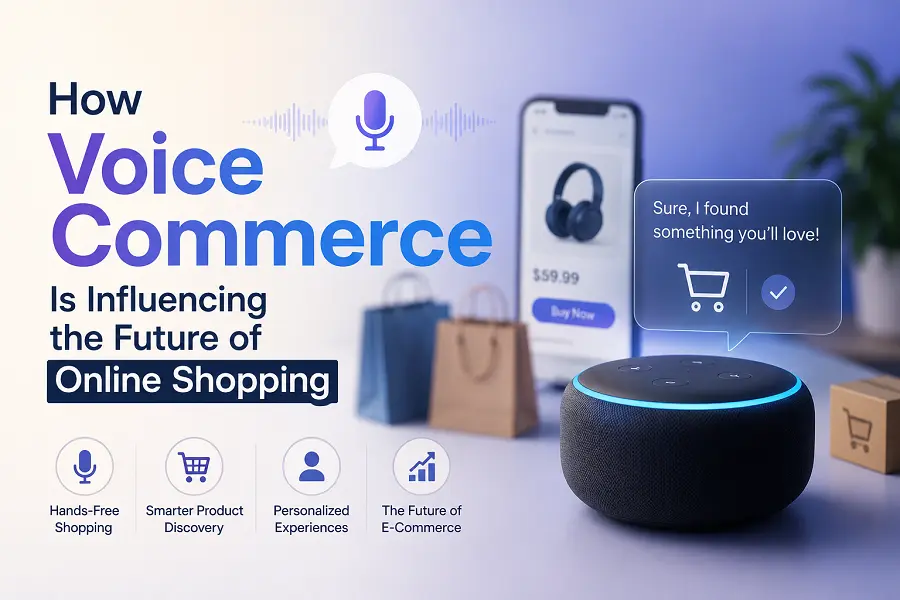
The integration of smart speakers and virtual assistants into daily life has introduced a hands-free method of interacting with the internet. Voice commerce, the practice of purchasing goods entirely through verbal commands, is quickly shifting from a technological novelty into a mainstream consumer habit. This evolution alters the digital checkout journey and fundamentally changes how brands capture consumer attention.
To remain competitive, digital retailers must understand how natural language queries alter traditional purchasing behavior.
Shifting From Keyword Searches to Conversational Queries
Traditional online search relies heavily on short, fragmented text phrases typed into a browser window. In contrast, voice shopping introduces complete sentences, colloquial phrases, and detailed questions into the consumer search process.
-
Long-Tail Keyword Expansion: Consumers speak with greater detail than they type, forcing retailers to optimize storefronts for descriptive phrases.
-
Question-Based Introductions: Verbal inquiries usually begin with who, what, where, and how, requiring informational content that addresses these specific entry points.
-
Localized Purchasing Patterns: Many vocal transactions involve immediate regional needs, boosting the importance of accurate local business listings.
-
Natural Language Variations: Digital storefronts must accommodate diverse regional accents, slang terms, and informal sentence structures to accurately match intent.
Streamlining the Frictionless Reorder Pipeline
Voice transactions are highly effective for low-involvement, recurring purchases where visual confirmation is unnecessary. Household essentials, groceries, and personal care products form the foundation of conversational e-commerce growth.
-
Linked Account Synchronization: Smart assistants connect securely to user payment methods and shipping address profiles to process transactions instantly upon verbal authorization.
-
Purchase History Analysis: The underlying software tracks previous transaction data to suggest exact brand reorders when a consumer asks to restock an item.
-
Real-Time Stock Clarification: Smart devices verbally confirm product options, pricing variations, and estimated delivery windows before finalizing the checkout sequence.
-
Hands-Free Multi-Tasking: Consumers initiate and complete transactions while cooking, cleaning, or driving, capturing sales at the exact moment a product need arises.
Structuring Storefront Architecture for Audio Content Recognition
Unlike visual search results pages that present dozens of options simultaneously, voice assistants typically deliver only one or two top answers. Securing this singular top spot requires a major adjustment in backend website technical optimization.
Retailers must implement schema markup precisely to help search engine crawlers interpret product descriptions, pricing, and availability through an audio-only format. Content should be structured using clear, skimmable headings and short, direct paragraphs that virtual assistants can easily read aloud without losing user engagement. Prioritizing page loading speed also becomes vital, as voice systems reject slow-responding websites to maintain a rapid conversational flow with the end user.
Conclusion
Voice commerce is redefining the fundamentals of digital retail by prioritizing convenience, natural language communication, and zero-friction reordering. Success in this screenless environment requires optimizing digital assets for conversational inquiries and technical data clarity. Storefronts that prepare for audio-driven discovery early will secure dominant positions in the future retail landscape.
Frequently Asked Questions
What types of products are most popular in voice commerce?
Consumers primarily use voice commands to purchase low-cost, recurring household goods, groceries, and personal care items that do not require visual inspection.
How do voice assistants ensure payment security during a purchase?
Modern smart devices utilize voice print biometrics, personalized PIN codes, and immediate multi-factor smartphone confirmations to authorize transactions securely.
Why is schema markup critical for voice search optimization?
Schema markup provides structured data that allows search engine crawlers to instantly identify and read out key details like price, stock status, and reviews.
Can customers use voice commerce to discover brand-new products?
While discovery is possible through question-based queries, the model currently excels at automated reordering of items previously purchased by the user.
How does voice shopping alter the traditional sales funnel?
It condenses the funnel by bypassing the browsing and product comparison stages, moving the consumer directly from an identified need to a finalized transaction.








Leave a Reply