



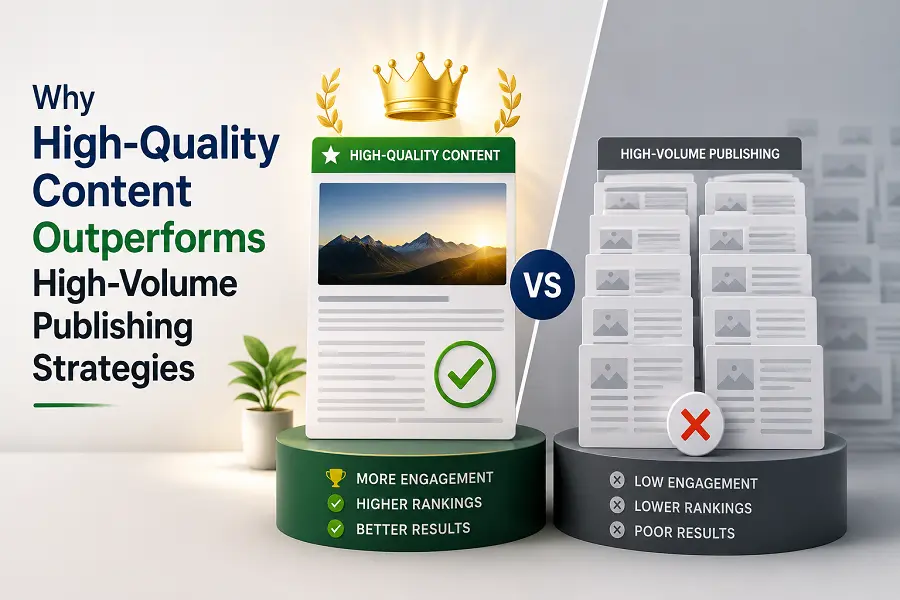
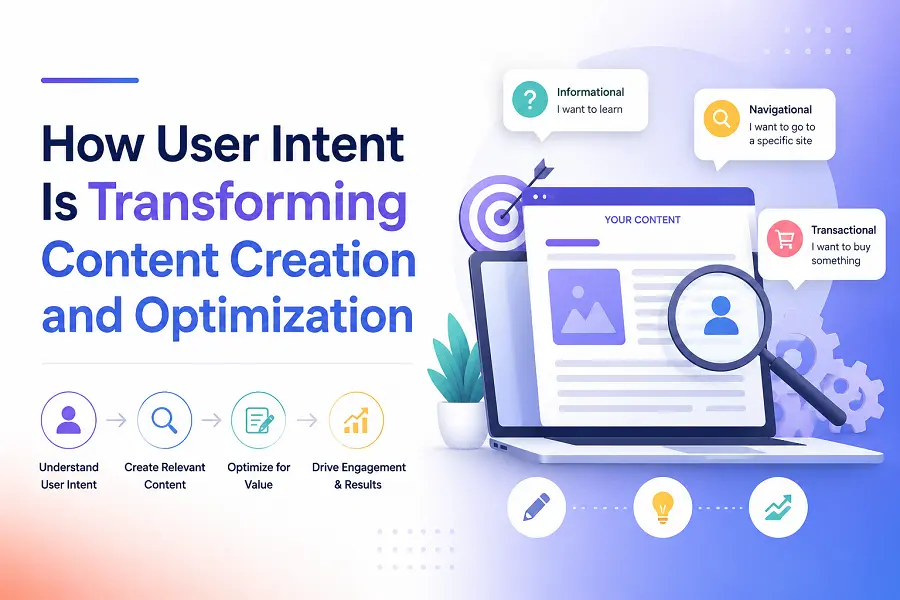
Establishing authority online requires matching organizational knowledge with exact user intent. Search classification systems systematically reward digital assets that offer immediate utility while filtering out shallow, derivative webpages. To secure enduring search visibility, brands must create a content infrastructure that actively proves structural reliability and real-world expertise.
Architecting Information for High-Trust Extraction Systems
Modern retrieval systems process web documents by looking for transparent, easily verifiable structural formatting. If a platform presents information in a convoluted narrative layout, search bots will skip the asset entirely. Structuring text to optimize for rapid parsing ensures that automated crawlers can instantly index your material as a definitive reference block.
To pass strict algorithmic quality checks, individual landing pages must display a predictable answer architecture:
-
Lead With Intent-Matching Summaries: Position a clear, 40-word core answer directly beneath your primary H2 headings to satisfy quick-scannable inquiries.
-
Establish Transparent Content Ownership: Clearly showcase individual author profiles, professional historical backgrounds, and editorial oversight processes on every public resource.
-
Isolate Conceptual Variables Clearly: Use modular subheadings to separate complex business problems into distinct, digestible sub-topics.
-
Enforce Stylistic Simplicity: Draft short sentences utilizing active vocabulary to lower reading friction for both humans and natural language processors.
Demonstrating First-Hand Experience to Satisfy Content Classifiers
Search quality evaluators look for clear indicators of genuine experience, professional expertise, authoritativeness, and trustworthiness. Webpages that merely summarize existing search results without introducing unique, first-hand data face rapid visibility declines. True authority demands the integration of proprietary viewpoints and real-world execution.
Building a defensible content catalog involves using specific, verifiable trust markers:
-
Inject Unique Operational Discoveries: Feature real-world performance metrics, trial breakthroughs, or internal project logs generated by your staff.
-
Highlight Real-World Case Interventions: Document the precise step-by-step methodologies used to resolve specific corporate or consumer friction points.
-
Acknowledge Foundational Contextual Limitations: Honestly clarify when a specific solution applies and when alternative routes should be pursued, ensuring total consumer transparency.
-
Incorporate Original Visual Explanations: Design custom process diagrams, proprietary data charts, or technical structural illustrations that simplify difficult concepts.
Securing Site-Wide Authority via Semantic Cluster Ecosystems
Algorithmic quality classifiers do not evaluate published materials in total isolation; they analyze the complete topical footprint of a domain. Publishing a single high-quality article will not yield sustainable visibility if the surrounding domain lacks structural context. Organizations must commit to building deep, deeply connected topical networks that thoroughly answer a user’s entire journey.
Establish this authority by mapping out comprehensive informational hubs supported by hyper-focused child pages. Each supporting article must resolve a unique, specialized long-tail query while linking cleanly back to the primary pillar resource. This interlinked code architecture signals to web scrapers that your platform contains a complete, verified directory of specialized industry knowledge.
Conclusion
Earning long-term organic visibility requires moving completely past old-school keyword targeting and focusing on genuine human utility. True digital resilience comes from serving searchers exactly what they need: clear structure, first-hand experience, and unambiguous expert perspective. Aligning your internal publishing goals with strict quality guidelines guarantees your business remains a highly visible and trusted industry authority.
FAQs
How does the Helpful Content System evaluate overall website quality?
The algorithm applies a automated, site-wide classifier that continually scans a domain for thin or search-engine-first materials. If a high percentage of your total pages lack unique value, it can lower the visibility of your high-quality pages.
Why is first-hand experience critical for informational queries?
Search architectures prioritize content that introduces original perspective or unique trial data. Paraphrasing existing top-ranking competitor sites offers zero information gain, which causes systems to filter out the redundant text.
Do author biography blocks directly impact search positioning?
Yes, clear author profiles that detail verified real-world background, industry certifications, and linked social records help search systems verify the genuine human expertise behind the written material.
What is the ideal word count for securing featured answer slots?
There is no universal word count rule. Maximizing visibility requires answering a specific user query with absolute precision and formatting that answer into a concise, scannable block spanning three to four lines.
Should businesses remove older, underperforming blog posts?
Auditing archives regularly is highly recommended. Pruning completely outdated, unhelpful text or merging thin articles into comprehensive, high-value pillars significantly elevates the overall quality score of a domain.






Leave a Reply