


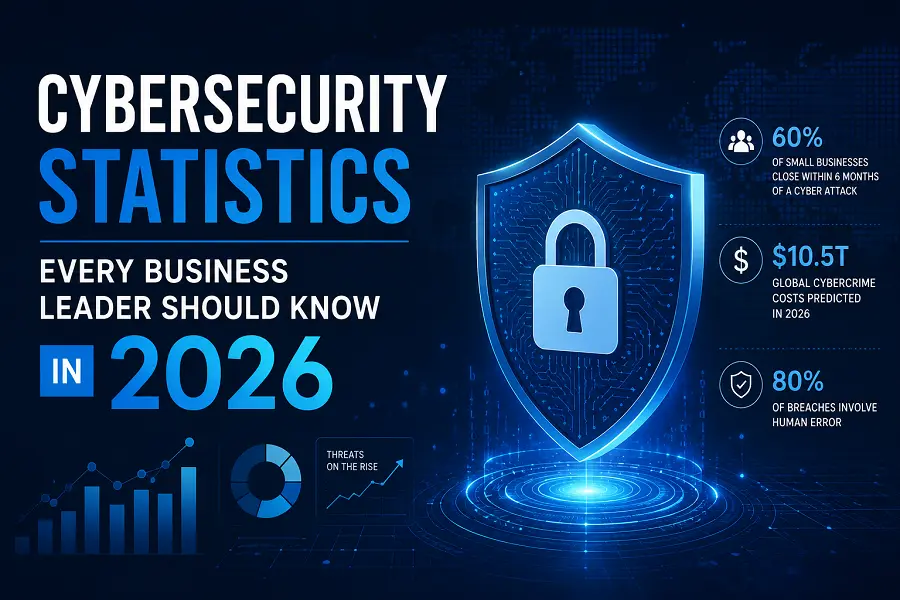
Protecting corporate assets requires more than basic antivirus software and annual staff training. Threat actors now use highly advanced tools to exploit structural vulnerabilities, making reactive defense strategies obsolete. For executive teams, understanding the shifting threat environment is necessary to allocate security budgets effectively and safeguard organizational continuity.
The financial and operational stakes of digital security have reached an unprecedented scale. Corporate infrastructure faces continuous pressure from automated scanning, targeted exploitation, and complex social engineering. Reviewing current operational realities helps decision-makers identify where traditional perimeters fail and how modern security architectures mitigate these systemic liabilities.
The Rising Financial Toll of System Exploitations
Corporate data exposure carries heavy financial consequences that extend far beyond immediate remediation costs. When a network compromise occurs, executive teams face expenses stemming from forensic investigations, legal penalties, regulatory compliance failures, and customer churn. Operational downtime often causes the most severe damage, halting revenue generation while fixed overhead expenses persist.
-
Global average breach impact: The typical corporate data compromise carries a global average cost of $4.44 million per incident, forcing organizations to re-evaluate their risk management budgets.
-
The geographic premium: Organizations operating within the United States face significantly higher financial exposure, with the average cost of a localized data breach reaching $10.22 million.
-
The extended threat window: Security operations teams take an average of 241 days to successfully identify and contain a single network infiltration, allowing threat actors months of undetected access.
-
The structural security gap: Organizations that deploy comprehensive automated defense mechanisms incur an average breach cost of $3.62 million, whereas less prepared enterprises experience a much higher average cost of $5.52 million.
Shift From Perimeter Defense to Identity Vulnerabilities
Network boundaries have fundamentally changed due to decentralized cloud structures and remote work options. Security teams can no longer rely on a hard external firewall to protect sensitive digital capital. Modern network intrusions usually target human operators or integrated external dependencies rather than attempting to force entry through secure outer perimeters.
-
Credential theft serves as the primary access method for 78% of documented security incidents within the financial and enterprise sectors.
-
Compromised user identities, rather than native software bugs, serve as the root configuration or access flaw behind 70% of cloud-based data exposures.
-
Third-party vendor and supply chain vulnerabilities have doubled in frequency, representing 30% of all modern corporate security incidents.
-
The human element, including successful social engineering and accidental configuration errors, remains a core contributing factor in 74% of corporate network compromises.
Evolving Extortion and Operational Disruption Tactics
Extortion methods have moved past basic file encryption to more aggressive, multi-stage leverage models. Attackers routinely extract proprietary information before initiating encryption, using the threat of public disclosure to force negotiations. This approach renders traditional data backups insufficient as a solo defense mechanism.
The manufacturing and critical infrastructure sectors face severe disruption because automated production lines rely on real-time data integrity. When these networks are compromised, the resulting physical shutdown causes immediate supply chain friction. Furthermore, high daily volumes of distributed denial-of-service attempts are frequently used as visual distractions, masking deep system intrusions occurring simultaneously elsewhere in the infrastructure.
Conclusion
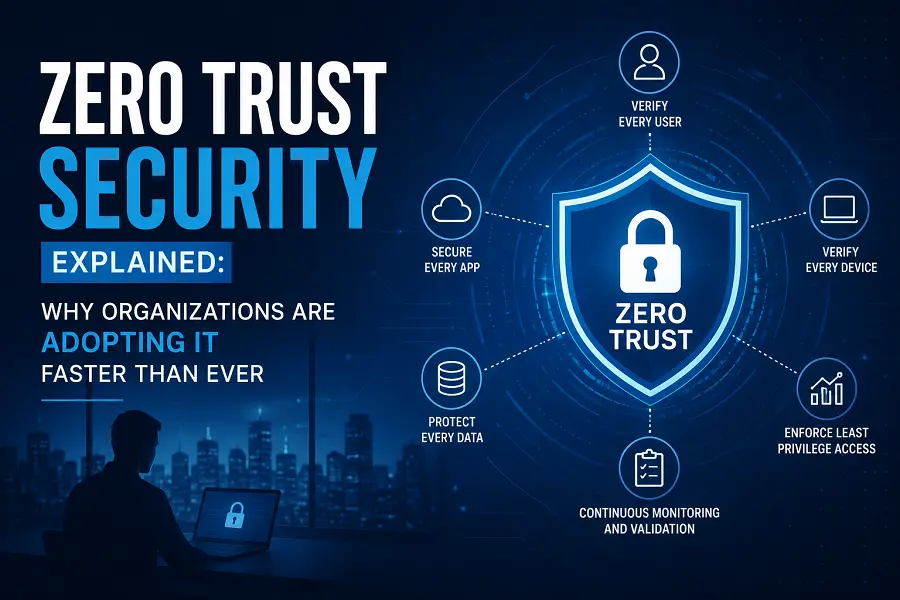
Managing modern digital risk requires moving away from legacy virtual private networks and static defensive perimeters. Adopting a zero-trust architecture, where every access request undergoes strict verification regardless of its origin, helps limit lateral movement if a breach occurs. Evaluating structural liabilities, securing third-party vendor integrations, and shortening threat detection timelines are essential steps for protecting corporate continuity and corporate value.
FAQs
What is the primary cause of modern cloud security failures?
Most cloud security failures stem from credential exploitation and access management oversights rather than underlying software flaws. Threat actors frequently exploit weak employee passwords, unmonitored machine identities, or misconfigured storage access rights to enter cloud environments without triggering traditional boundary alerts.
Why have third-party supply chain compromises increased?
Attackers target third-party vendors because these companies often possess trusted access credentials to larger, highly secure corporate networks. By compromising an external service provider, software dependency, or integrated API, intruders can bypass primary defenses and access internal networks undetected.
How does security automation affect data breach costs?
Security automation and predictive threat detection tools reduce breach costs by catching intrusions early. Shortening the window between initial entry and final containment limits data exfiltration and prevents lateral movement, saving organizations an average of nearly two million dollars per incident.
Why are data backups no longer a complete defense against ransomware?
Modern extortion campaigns use data theft alongside file encryption. Even if an organization restores its operations using clean backups, attackers maintain leverage by threatening to leak proprietary records, trade secrets, or customer data onto public forums or the dark web.
Which business sector faces the highest financial damage from data breaches?
The healthcare sector incurs the highest data breach costs, averaging over eleven million dollars per incident. This high cost is driven by strict regulatory penalties, the vital need for operational uptime, and the high black-market value of protected health information compared to standard financial records.






Leave a Reply