

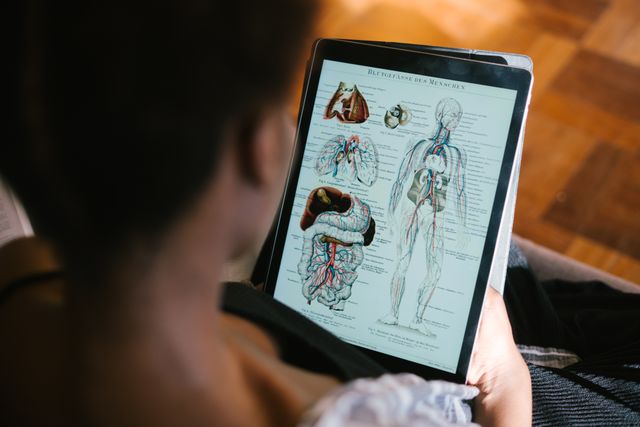
Healthcare technology has changed the way doctors manage their daily medical activities. From maintaining patient records to scheduling appointments and managing prescriptions, digital tools are helping healthcare professionals handle their responsibilities more efficiently. Traditional paper-based processes often require additional time and effort, making it difficult to organise growing patient information.
Today, clinics and hospitals are adopting digital healthcare solutions to simplify routine tasks, improve documentation, and support better patient experiences. Technologies such as Electronic Medical Records (EMR), cloud computing, artificial intelligence, and digital appointment systems are becoming important parts of modern medical practice.
Let’s explore 10 ways technology is helping doctors improve their daily medical activities.
1. Easy Management of Patient Medical Records
Managing patient records is one of the most important responsibilities of doctors. Traditionally, medical information was maintained in physical files, which could be difficult to organise and retrieve.
Digital medical record systems allow doctors to store patient information in an organised format. They can access medical histories, previous diagnoses, treatment details, allergies, and prescription records whenever required.
Some important advantages include:
- Centralised Information: Patient details can be maintained in one organised digital system.
- Quick Record Access: Doctors can retrieve medical information without searching through physical files.
- Easy Updates: Medical records can be updated after consultations and follow-up visits.
- Reduced Paperwork: Digital documentation reduces dependence on manual recordkeeping.
These features help doctors manage patient information more effectively and maintain organised clinical records.
2. Improved Appointment Scheduling
Managing appointments manually can become challenging, especially for clinics that receive a large number of patients every day. Appointment scheduling software helps doctors and clinic staff organise consultation timings more efficiently.
Digital appointment systems allow healthcare providers to manage patient bookings, check available time slots, and maintain appointment histories.
Technology supports appointment management through:
- Online Booking: Patients can request appointments without visiting the clinic.
- Schedule Management: Clinic staff can organise doctors’ daily consultation schedules.
- Appointment Reminders: Automated notifications can remind patients about upcoming visits.
- Visit Tracking: Staff can maintain records of completed and upcoming appointments.
Better appointment management can reduce scheduling confusion and help clinics maintain a more organised consultation process.
3. Better Prescription Management
Prescription management is another important part of daily medical practice. Handwritten prescriptions may sometimes be difficult to read, creating confusion for patients and pharmacy professionals.
Digital prescription tools allow doctors to prepare and maintain electronic prescriptions. They can record medication names, dosage instructions, and treatment details in a structured format.
The major benefits include:
- Clear Prescriptions: Digital formats improve prescription readability.
- Medication History: Doctors can review previously prescribed medicines.
- Easy Updates: Prescription details can be modified when treatment requirements change.
- Better Documentation: Electronic records help maintain organised medication information.
Digital prescription management supports smoother communication and helps doctors maintain consistent treatment documentation.
4. Faster Clinical Documentation
Doctors need to document consultations, diagnoses, symptoms, and treatment plans. Completing these activities manually can take considerable time, particularly in busy medical practices.
Modern healthcare software provides digital documentation features that help doctors record clinical information more efficiently.
For example, doctors can use structured templates to enter patient details, document examination findings, and maintain treatment notes.
Technology helps improve documentation through:
- Digital Templates: Ready-to-use formats simplify routine medical documentation.
- Organised Notes: Clinical information can be recorded in structured sections.
- Easy Retrieval: Previous consultation notes can be accessed when needed.
- Consistent Records: Standardised documentation supports better record organisation.
Faster documentation helps doctors manage their daily responsibilities while maintaining important patient information.
5. Improved Communication Between Healthcare Teams
Effective communication is essential for delivering organised healthcare services. Doctors often need to coordinate with nurses, laboratory professionals, pharmacists, and other medical staff.
Digital healthcare systems help authorised team members access relevant patient information and coordinate their activities.
Some ways technology supports healthcare communication include:
- Information Sharing: Relevant patient details can be accessed by authorised healthcare professionals.
- Treatment Updates: Medical teams can review recorded treatment information.
- Better Coordination: Digital records support communication between different departments.
- Reduced Information Gaps: Organised documentation helps team members refer to consistent patient information.
Improved communication supports coordinated healthcare activities and helps medical professionals work together more effectively.
6. Access to Laboratory Reports and Diagnostic Information
Laboratory investigations play an important role in identifying medical conditions and monitoring treatment progress. Doctors need access to relevant test results to understand patient health conditions.
Digital healthcare systems can help organise laboratory reports and diagnostic information within patient records.
Important advantages include:
- Digital Report Storage: Test reports can be maintained electronically.
- Easy Access: Doctors can review available investigation results when required.
- Historical Comparison: Previous reports can help track changes in patient health information.
- Better Documentation: Diagnostic findings can be maintained alongside consultation records.
When integrated appropriately, laboratory systems and medical record platforms can reduce manual information handling and support a more organised clinical workflow.
7. Better Data Security and Patient Confidentiality
Patient medical information is sensitive and must be handled responsibly. Healthcare providers need suitable systems to protect records from unauthorised access, accidental loss, and improper use.
Modern healthcare software can offer different security features to support patient data protection.
These may include:
- User Authentication: Login credentials help restrict access to authorised users.
- Role-Based Permissions: Access can be assigned according to professional responsibilities.
- Data Backup: Backup facilities help protect information against unexpected data loss.
- Access Monitoring: Audit logs can help track activities performed within the system.
Doctors and healthcare organisations should also follow applicable data protection requirements and maintain proper security practices.
8. Use of Artificial Intelligence in Medical Practice
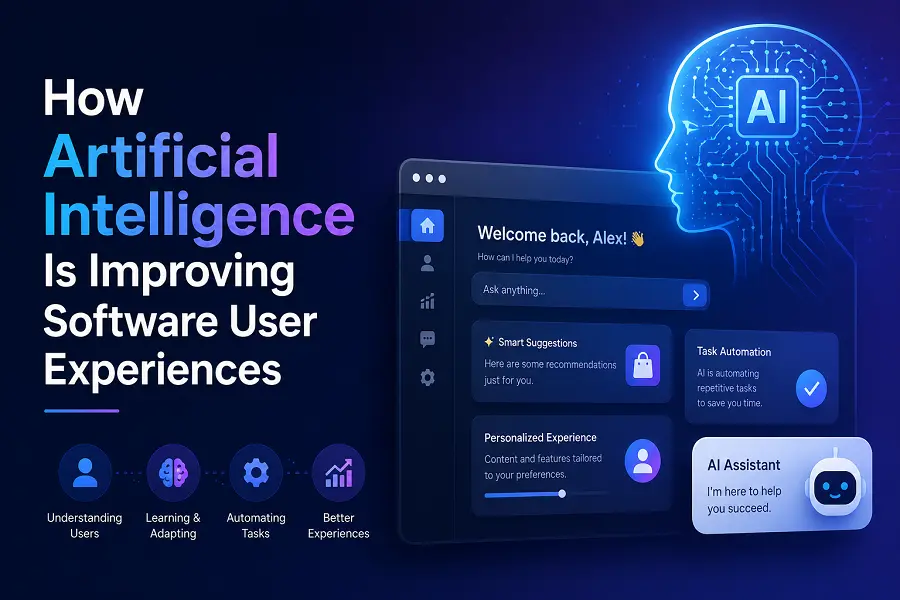
Artificial intelligence (AI) is creating new opportunities in healthcare. AI-powered tools can assist doctors with selected administrative, documentation, and information management activities.
Although AI cannot replace professional medical judgement, it can support certain routine tasks when used appropriately.
Some applications include:
- Documentation Assistance: AI tools can help prepare structured clinical notes.
- Data Analysis: Healthcare professionals can use analytical tools to review available medical information.
- Administrative Automation: Repetitive tasks can be simplified through automation.
- Clinical Support: Certain AI applications can help identify patterns in medical data for professional review.
Doctors should always verify AI-generated information and make clinical decisions based on their professional knowledge and patient assessments.
9. Remote Consultations Through Telemedicine
Telemedicine has made it easier for doctors to connect with patients who cannot always visit clinics or hospitals physically.
Video consultations and digital communication platforms allow healthcare professionals to provide remote consultations when clinically appropriate.
Telemedicine offers several advantages:
- Remote Consultations: Doctors can communicate with patients through video or audio calls.
- Convenient Follow-Ups: Patients may complete suitable follow-up consultations remotely.
- Better Accessibility: Digital consultations can support patients living in distant locations.
- Time Management: Remote appointments can reduce unnecessary travel for certain consultations.
However, telemedicine is not suitable for every medical condition. Doctors must decide whether a physical examination or in-person consultation is necessary.
10. Choosing the Right EMR Software for Daily Operations
Electronic Medical Records software has become an important digital tool for modern clinics and hospitals. It helps doctors maintain patient information, manage clinical documentation, and organise everyday medical activities.
Choosing the right platform is important because every healthcare practice has different operational requirements.
When evaluating the Best EMR Software India, doctors and healthcare providers should consider the following features:
- Patient Record Management: The software should support organised patient profiles and medical histories.
- Prescription Management: Doctors should be able to prepare and maintain digital prescriptions.
- Appointment Scheduling: Scheduling features can help clinics manage patient visits.
- Data Security: Suitable access controls and data protection features are essential.
- Reporting Capabilities: Reports can help healthcare providers review clinical and operational information.
- Ease of Use: A simple interface can make software adoption easier for doctors and staff.
Before selecting an EMR platform, healthcare providers should evaluate its features, implementation requirements, support services, and compatibility with their existing systems.
Conclusion
Technology is playing an important role in improving daily medical practice. From digital patient records and appointment scheduling to electronic prescriptions and telemedicine, modern healthcare tools help doctors manage routine responsibilities more efficiently.
These solutions can reduce paperwork, improve access to medical information, support communication, and create more organised clinical workflows. Artificial intelligence and cloud-based technologies are also opening new possibilities for healthcare professionals.
However, selecting suitable technology requires careful consideration of clinical requirements, data security, usability, and long-term operational needs.
By adopting appropriate digital healthcare solutions, doctors can simplify everyday activities and focus more on providing quality patient care.



Leave a Reply