


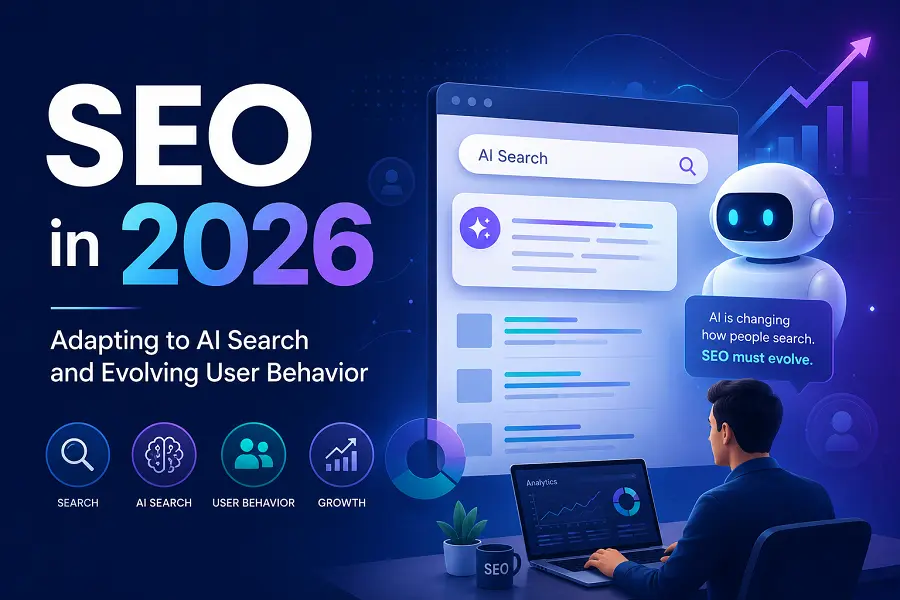
Search engine optimization has shifted from keyword matching to a sophisticated understanding of intent, context, and synthesis. As artificial intelligence models directly answer multi-layered queries, organic visibility relies on providing unparalleled clarity and real-world utility. Succeeding in this ecosystem requires a structural pivot in how content is conceived, structured, and delivered.
The Reality of Algorithmic Synthesis and AI Overviews
Artificial intelligence engines now summarize complex topics directly at the top of search results, altering traditional organic click-through patterns. Rather than scrolling through a list of blue links, users frequently interact with synthesized text blocks that pull insights from multiple digital assets simultaneously. To earn a citation within these AI-driven summaries, information must be highly structured and immediately definitive.
-
Information density wins: Content must eliminate fluff and deliver direct answers within the first few sentences to capture conversational AI indexing.
-
Semantic connectivity over keywords: Search algorithms analyze the relationship between concepts, entities, and real-world solutions rather than repetitive phrases.
-
Structured data integration: Schema markup has transitioned from an optional technical enhancement to a foundational requirement for contextual clarity.
-
Synthesized visibility: Websites secure traffic by becoming the trusted data source that AI engines reference to build their conversational responses.
Navigating the New Dimensions of Consumer Intent
User behavior has evolved beyond simple navigational and informational searches. Modern audiences expect immediate, hyper-personalized answers to nuanced questions. This shift demands a movement away from generic topic overviews toward highly specific, problem-solving content that addresses a precise moment in the customer journey.
-
Conversational query expansion: Queries look like natural human dialogue, using full sentences and context-rich questions rather than fragmented search terms.
-
Multi-modal search execution: Individuals regularly combine text, voice inputs, and images to find products or resolve technical challenges seamlessly.
-
The preference for lived experience: Audiences actively seek out authentic human perspectives, original testing data, and unique insights that cannot be easily replicated by predictive text models.
-
Immediate utility demands: Bounce rates escalate rapidly if a visitor cannot locate the exact piece of information they need within seconds of arriving on a page.
Strengthening E-E-A-T Through Original Contribution
Demonstrating experience, expertise, authoritativeness, and trustworthiness is the most reliable defense against algorithmic volatility. True authority cannot be manufactured; it must be proven through unique data points, proprietary case studies, and transparent content creation processes.
Publishing unique imagery, video walkthroughs, or hands-on commentary establishes clear creative ownership. Content strategies must prioritize topics that require specialized industry knowledge, which generic text generators cannot replicate. Building a recognizable digital brand footprint across multiple channels reinforces institutional authority, signaling to search engines that an organization is a trusted voice in its specific domain.
Conclusion
Adapting to the realities of search means embracing a dual-focus strategy: serving the technical requirements of AI summarization tools while providing deep, irreplaceable human value to the end user. Organizations that build comprehensive, experiential content that prioritizes clear answers will thrive as discovery mechanisms continue to evolve.
Frequently Asked Questions
How do AI overviews change traditional keyword research?
Keyword research no longer focuses solely on specific words with high search volumes. Strategy now centers on mapping out conceptual clusters, user questions, and topical entities, ensuring content answers the broader intent behind conversational phrases.
What is the most effective way to optimize for synthesized search answers?
Structure your content using clear headers and provide direct, factual answers immediately following those headings. Using bullet points, numbered lists, and precise terminology helps algorithms extract your insights for summary panels.
Why has lived experience become so crucial for organic rankings?
As automated content floods the internet, search engines place a premium on verifiable human experience. Content containing original testing, personal insights, and unique perspectives stands out from generic information and builds genuine user trust.
How does conversational search impact content length and formatting?
Long-form content remains valuable, but it must be highly scannable. Short paragraphs, logical heading hierarchies, and the elimination of repetitive introductory text allow both human readers and AI crawlers to navigate deep articles efficiently.
Should brands focus on optimization for specific AI platforms?
Instead of targeting individual AI models, focus on fundamental information clarity, structured schema markup, and robust topical authority. Consistently delivering accurate, deeply researched answers ensures visibility across all retrieval systems.






Leave a Reply