


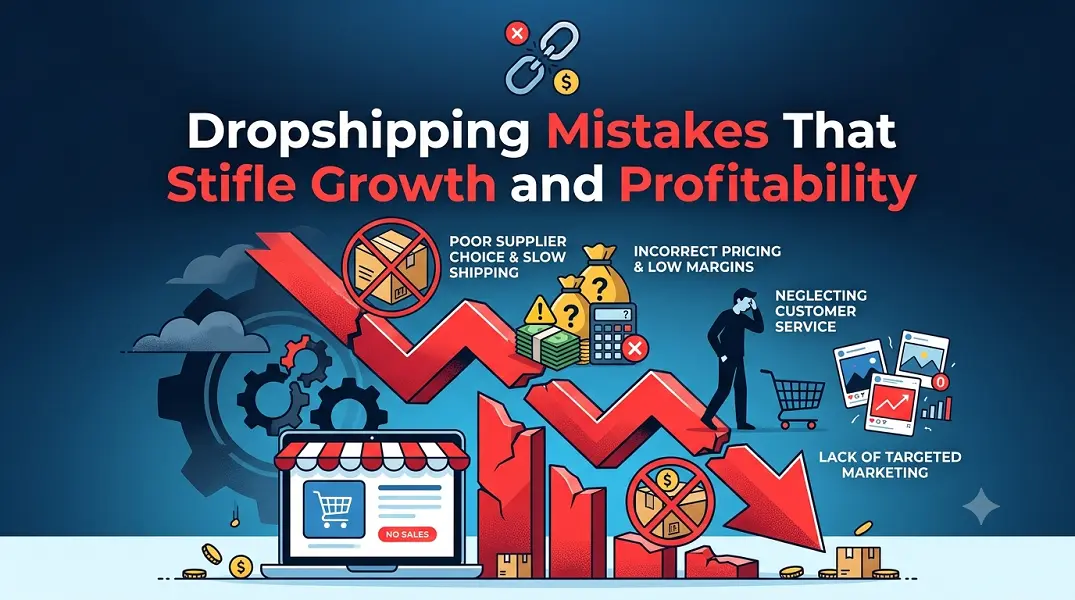
While the dropshipping model offers an accessible path to e-commerce ownership, high failure rates persist due to execution errors. Many entrepreneurs treat their storefront as a passive setup-and-forget venture, overlooked by strategic operational planning. Identifying and correcting systemic issues early determines whether an online store scales sustainably or collapses under tight margins.
Understanding operational bottlenecks allows store owners to pivot toward long-term profitability.
Over-Reliance on Single Source Logistics
Relying exclusively on one supplier for your bestselling inventory introduces immense structural vulnerability. If that partner faces manufacturing backlogs, inventory shortages, or sudden shipping delays, your storefront bears the reputational damage and financial liability.
-
Supply Chain Backups: Establish relationships with secondary and tertiary fulfillment partners to ensure seamless order routing during peak seasons.
-
Inventory Disconnects: Failing to sync real-time stock levels leads to backorders, forcing you to issue refunds and damage customer trust.
-
Inconsistent Product Batches: Multiple suppliers should be vetted for quality consistency, preventing variation in the goods customers receive.
-
Geographic Limitations: Relying on regional hubs located thousands of miles from your target market extends transit times and inflates cart abandonment rates.
Neglecting the Post-Purchase Customer Experience
Acquiring a customer is only half the battle; retaining them protects your marketing margins. Many dropshippers treat checkout as the final step of the transaction, failing to provide a cohesive communication flow after a payment is processed.
-
Vague Shipping Timelines: Concealing long transit windows leads to premature chargebacks and flooded customer support channels.
-
Absent Order Tracking: Failing to provide automated tracking links triggers post-purchase anxiety and increases customer service overhead.
-
Convoluted Refund Policies: Making returns difficult alienates buyers, ensuring they never return to your storefront for future purchases.
-
Generic Package Branding: Delivering items in unbranded, uninspired warehouse wrapping ruins the unboxing experience and kills brand recall.
Aggressive Price Cutting Over Value Creation
Competing solely on price triggers a devastating race to the bottom. When a storefront lowers prices to undercut competitors, it starves itself of the necessary capital required to fund advertising, customer service, and website optimization.
Instead of slashing margins, sustainable businesses build unique value. This is achieved by creating high-quality instructional content, bundling complementary products together, or offering superior warranties. Customers willingly pay a premium for clear communication, curated product lines, and an intuitive shopping environment. Shifting focus away from low prices toward high-perceived value safeguards profit margins against market saturation.
Conclusion
Overcoming the barriers to dropshipping growth requires transitioning from a transactional mindset to an asset-building strategy. By diversifying supply lines, optimizing customer support, and prioritizing perceived value over low prices, you insulate your business from typical operational pitfalls. Long-term profitability belongs to those who build genuine brands.
Frequently Asked Questions
Why is relying on a single dropshipping supplier risky?
If that supplier runs out of stock or changes their shipping timelines, your business cannot fulfill orders, resulting in lost revenue and negative reviews.
How can I improve long dropshipping delivery times?
Partner with suppliers that utilize localized fulfillment centers near your target market, and maintain transparent shipping estimates across your website.
What is the risk of competing exclusively on product price?
It destroys your profit margins, leaving your business without the revenue required to reinvest in marketing, customer acquisition, or infrastructure.
How does bad packaging impact an e-commerce brand?
Unbranded or poorly wrapped packages feel cheap and impersonal, which lowers customer satisfaction and prevents repeat purchases.
What is the best way to handle order tracking issues?
Implement automated email and SMS notification systems that update customers the moment their package moves to a new transit hub.





Leave a Reply