


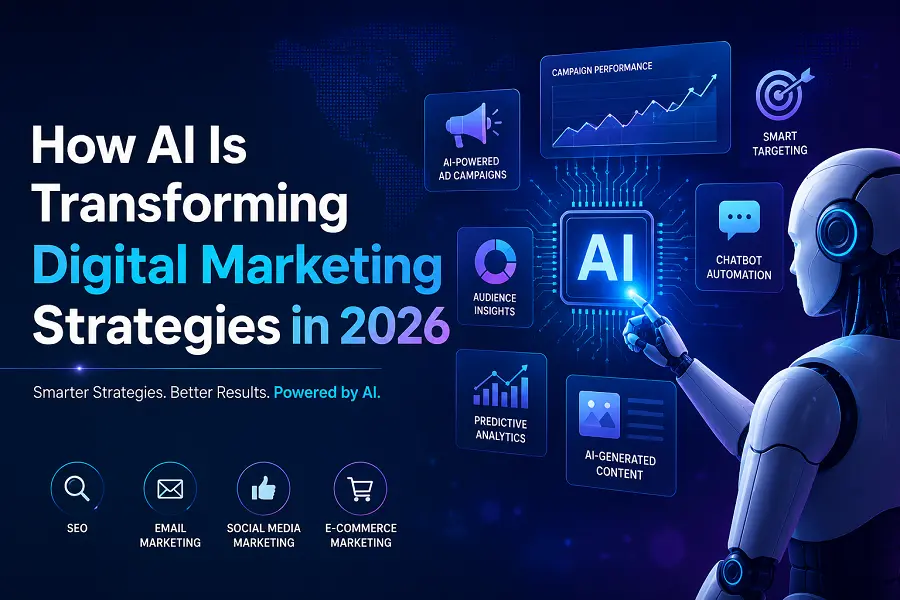
Artificial intelligence has progressed from an isolated tool for text generation into the foundational operating system of modern marketing departments. Operational focus has moved away from basic tactical execution toward guiding sophisticated, autonomous machine ecosystems. Organizations succeeding today recognize that machine intelligence does not replace human ingenuity; instead, it scales strategic impact with unprecedented speed and precision.
The Rise of Agentic Frameworks and Automated Campaign Orchestration
Autonomous marketing agents now execute multi-layered campaign workflows with minimal human intervention. Rather than managing separate software tools for email deployment, asset testing, and budget tracking, marketing teams deploy integrated AI models that oversee the entire lifecycle of a project. Humans establish safety guardrails, define regulatory constraints, and provide final creative validation, while the underlying technology drives daily execution.
-
Autonomous asset iteration: Intelligence systems continuously generate, test, and refine thousands of visual and textual ad variations simultaneously based on immediate consumer engagement signals.
-
Instant cross-platform reallocations: Software engines monitor live programmatic ad performance, instantly shifting capital away from underperforming channels toward high-ROI networks.
-
Predictive behavioral targeting: Advanced data models analyze historical browsing patterns and consumer actions to build complex audience segments without relying on manual database queries.
-
Proactive brand protection: Natural language models track digital sentiment across social channels continuously, flagging potential public relations risks before they escalate.
Transitioning From Traditional SEO to Answer Engine Optimization
The mechanics of online visibility have shifted fundamentally as conversational engines synthesize answers directly for users. The old method of optimizing content for specific, fragmented keywords is ineffective against generative response panels. Brands now build content architectures explicitly designed to feed, inform, and earn citations within predictive intelligence systems.
-
Prioritizing entity relationship mapping: Machine models scan for topical completeness, requiring content creators to cover all related concepts, subtopics, and product alternatives within a single master asset.
-
Implementing precise schema architecture: Integrating comprehensive structured data tells machine crawlers exactly who a brand is, what they sell, and how their data points connect.
-
Structuring information for direct retrieval: Formatting guides with explicit bulleted summaries, distinct headings, and concise factual sentences ensures text can be extracted cleanly by automated summary engines.
-
Publishing irreplaceable primary data: Generative models favor primary sources, meaning companies must produce proprietary case studies, customer benchmarks, and original survey data to earn authority citations.
Scaling Hyper-Personalization and Real-Time Customer Journeys
Static marketing funnels have been replaced by fluid, real-time consumer interactions driven by machine learning. Every customer touchpoint changes dynamically based on the viewer’s immediate context, emotional sentiment, and historical intent. This high level of customization increases conversion rates while setting a new baseline standard for consumer expectations.
Conversational interfaces act as the main link between organizations and shoppers, answering questions and guiding purchases simultaneously. Web pages change layout, featured messaging, and pricing packages dynamically to fit the exact profile of the person visiting. Advanced systems predict when a consumer might stop engaging or when their intent to purchase peaks, allowing brands to deliver customized offers at the perfect moment.
Conclusion
The integration of artificial intelligence across marketing disciplines marks a major shift from guesswork to data-backed precision. Success requires a dual commitment to building advanced technical data structures for automated discovery while protecting the authentic brand voice that earns human trust. Marketing teams that master this balance will lead their industries as automated systems continue to mature.
Frequently Asked Questions
What is Answer Engine Optimization (AEO) and why does it matter?
Answer Engine Optimization is the practice of structuring online content so conversational AI platforms can easily read, evaluate, and cite it. It is essential because these systems increasingly provide synthesized summaries directly to users, which reduces traditional click-through traffic to standard websites.
How do autonomous AI agents change the daily role of marketers?
Marketers are shifting from manual tasks like content drafting, manual A/B testing, and daily budget adjustments to high-level strategic oversight. Professionals focus on defining core campaign goals, supervising machine outputs, managing data compliance, and ensuring creative originality.
Why is first-party data critical for AI-driven marketing strategies?
Machine learning models require highly accurate, clean information to generate reliable predictions and personalized experiences. Because third-party tracking has diminished, proprietary first-party data provides the unique insight needed to fuel algorithmic targeting tools effectively.
How does hyper-personalization affect consumer conversion rates?
When online content, product recommendations, and email copy adapt instantly to match a user’s current intent, friction in the buying process is eliminated. This relevance builds consumer confidence, leading to higher engagement and a clear lift in overall sales.
Can small businesses compete using these advanced technologies?
Yes, because many advanced automation features are integrated directly into standard advertising networks and accessible software platforms. Small brands can achieve massive operational efficiency by using these pre-built tools to optimize campaigns without needing large, in-house technical teams.





Leave a Reply