


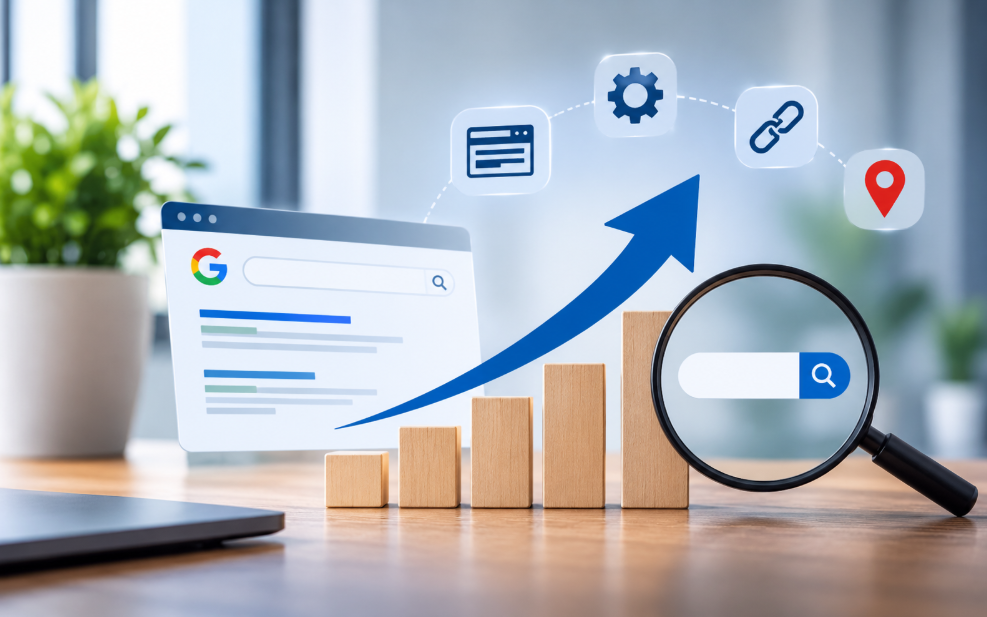
Search engine optimization is not just about improving rankings for a handful of keywords. It involves building a website that search engines can understand and visitors find useful. Businesses that want consistent organic traffic need to focus on content quality, technical performance, search intent, and website credibility rather than relying on short-term ranking tactics.
A well-planned SEO strategy connects different aspects of digital growth. From creating useful website content to improving the overall user experience, every effort should support a clear business objective. However, sustainable search visibility requires more than implementing a few SEO techniques. It comes from understanding what audiences are looking for, publishing relevant information, and continuously improving the website as search behaviour evolves.
Understanding Search Intent Before Building an SEO Strategy
Keyword research helps identify the terms people use when searching online. However, targeting keywords without understanding the reason behind those searches can lead to content that attracts visitors but fails to meet their expectations.
Search intent refers to the purpose behind a search query. Someone looking for general information may not be ready to purchase, while a person comparing service providers may be closer to making a decision. Recognising these differences helps businesses create content that matches the needs of their audience.
Match Website Content With User Expectations
Search intent generally falls into four categories:
- Informational intent: Users want answers, explanations, or guidance on a particular subject.
- Navigational intent: Users are trying to find a specific website, brand, or webpage.
- Commercial investigation: Users are comparing products, services, or providers before making a decision.
- Transactional intent: Users are ready to take action, such as purchasing a product or requesting a service.
Before creating a page, businesses should review the search results to understand what type of information Google considers relevant for the query.
A practical approach includes:
- Reviewing the pages currently ranking for the target keyword.
- Identifying common questions and topics covered by competing pages.
- Understanding whether searchers expect an informational article, service page, or comparison.
- Creating content that answers the query more clearly and comprehensively.
This helps prevent businesses from targeting keywords with content that does not match what potential customers actually need.
Build Topical Relevance Through Meaningful Content

Publishing multiple articles around unrelated subjects does not necessarily establish authority in search results. A more effective approach is to create connected content that explores a subject from different perspectives.
For example, a business offering digital marketing services could publish articles covering keyword research, technical SEO, content optimisation, local search, and link building. When these pages address related user needs, they collectively provide a more complete understanding of the subject.
Connect Related Pages Through Internal Linking
Internal links help visitors and search engines discover related content across a website. They also establish relationships between important pages and supporting resources.
When adding internal links, businesses should consider the following:
- Link supporting articles to relevant service or category pages.
- Use descriptive anchor text that explains what visitors can expect from the destination page.
- Connect related articles where the additional information genuinely helps the reader.
- Avoid adding links simply to increase the number of internal links on a page.
A well-organised internal linking structure makes navigation easier and helps distribute relevance across important website pages. The objective should be to create useful connections rather than insert links wherever possible.
Improve On-Page SEO Without Compromising Readability
On-page SEO helps search engines understand the subject and purpose of individual webpages. It also improves the way information is presented to visitors.
A page may contain valuable information, but poor organisation can make it difficult to read. Similarly, excessive keyword usage can affect the natural flow of content and create an unpleasant reading experience.
Create a Clear and Consistent Content Structure
Every important webpage should have a logical structure that allows readers to find information quickly.
Businesses should pay attention to these elements:
- Title tags: Write clear titles that communicate the main topic and encourage relevant clicks.
- Meta descriptions: Summarise the page accurately while giving users a reason to visit.
- Heading hierarchy: Organise information using relevant H2 and H3 headings.
- Image optimisation: Use descriptive file names, appropriate formats, and meaningful alt text.
- Content relevance: Include related terms naturally while keeping the information focused on the topic.
These improvements help make webpages easier to understand without turning the content into a collection of keywords.
Strengthen Technical SEO to Improve Website Accessibility
Technical SEO focuses on the elements that influence how search engines crawl, render, and index a website. Even high-quality content may struggle to gain visibility if important pages cannot be accessed or understood properly.
A website should provide a reliable experience across devices while allowing search engines to discover its important content.
Pay Attention to Indexing and Website Performance
Regular technical checks help identify issues before they affect a website’s search performance.
A practical technical SEO review should include:
- Crawlability: Check whether search engine crawlers can access important website pages.
- Indexing: Review Google Search Console to identify pages that are not indexed and understand the reasons.
- Page speed: Identify slow-loading resources and optimise images, scripts, and other elements.
- Mobile usability: Make sure the website works properly across different screen sizes.
- Broken links: Find and fix internal links that lead to unavailable pages.
- Structured data: Implement relevant schema markup to help search engines interpret page information.
Technical SEO should be treated as an ongoing process. Website updates, new content, design changes, and development work can introduce issues that need regular attention.
Develop a Sustainable Approach to Link Building
Backlinks remain an important part of how search engines evaluate website credibility. However, the value of a backlink depends on more than the number of links pointing to a domain.
Links from relevant websites, useful editorial mentions, and genuine industry relationships can contribute to a stronger backlink profile. On the other hand, acquiring links through manipulative practices can create unnecessary risks.
Focus on Relationships and Valuable Content
Businesses should prioritise link-building activities that provide value to both the linking website and its audience.
Some practical approaches include:
- Contributing original guest articles to relevant industry publications.
- Creating useful resources that other websites may naturally reference.
- Building relationships with publishers, bloggers, and industry professionals.
- Finding relevant websites that accept expert contributions.
- Reviewing existing backlinks to identify suspicious or irrelevant link patterns.
It is also important to understand which link-building practices should be avoided. Following safe and sustainable link-building techniques can help businesses make more informed decisions when developing their backlink strategy.
The focus should remain on relevance, editorial value, and long-term credibility rather than acquiring as many links as possible.
Make Local SEO Part of the Wider Visibility Strategy
For businesses serving specific locations, local SEO can help connect their services with people searching within their service areas. A strong local presence depends on accurate business information, relevant website content, and consistent signals across online platforms.
Google Business Profile optimisation is one part of this process, but the website also plays an important role in helping potential customers understand the services offered.
Create Location Pages That Offer Genuine Value
Location-specific pages should provide useful information rather than simply replacing a city name across multiple copies of the same page.
Businesses can improve these pages by including:
- Services available in the particular location.
- Relevant details about the service area.
- Local customer questions and concerns.
- Genuine testimonials or project examples where available.
- Clear contact information and enquiry options.
Each location page should serve a distinct purpose. Repeating identical content across multiple city pages can make them less useful to visitors and limit their ability to perform well in search results.
Create Content That Demonstrates Practical Knowledge
Search engines aim to provide useful results that satisfy user needs. Businesses can support this objective by publishing content that demonstrates genuine knowledge of their industry.
Rather than creating articles solely to target keywords, content teams should focus on explaining problems, answering questions, and providing practical guidance.
Make Existing Content More Useful
Older articles can continue attracting visitors when they are reviewed and improved regularly. Updating content does not always mean rewriting an entire page. Sometimes, adding missing information or improving outdated sections is enough to make it more relevant.
A content review process can include:
- Identifying pages that have experienced a decline in organic traffic.
- Checking whether the information is still accurate.
- Adding relevant details that address unanswered user questions.
- Improving headings, examples, and internal links.
- Removing outdated or unnecessary information.
Businesses should also consider whether their articles provide something useful beyond what is already available in search results. Original examples, clear explanations, and practical recommendations can make content more valuable to readers.
Measure SEO Performance and Refine the Approach
SEO requires continuous monitoring because search visibility can change due to algorithm updates, competitor activity, technical issues, and evolving search behaviour.
Tracking the right metrics helps businesses understand whether their efforts are contributing to meaningful results.
Focus on Metrics That Support Business Goals
Some useful performance indicators include:
- Organic traffic: Measures the number of visitors arriving through unpaid search results.
- Keyword visibility: Shows how webpages perform for relevant search queries.
- Click-through rate: Helps evaluate how often users click a result after seeing it in search.
- Conversions: Tracks enquiries, purchases, registrations, or other important actions.
- Indexed pages: Helps identify whether important website content is available in search results.
- Backlink quality: Provides insight into the relevance and credibility of websites linking to the business.
Google Search Console and Google Analytics can help businesses monitor different aspects of organic performance. Reviewing these insights regularly makes it easier to identify opportunities and adjust the strategy when necessary.
Conclusion
Building long-term search visibility requires a consistent approach that combines useful content, technical improvements, relevant internal links, and sustainable link-building practices. Businesses should also pay attention to search intent and user experience instead of focusing exclusively on keyword rankings.
For businesses looking to bring these elements together, Geekonomy offers digital marketing and development solutions that support a stronger online presence. A coordinated approach can help ensure that website improvements, content efforts, and visibility goals work towards the same objective.
SEO is not a one-time activity. Search behaviour, competition, and website requirements continue to evolve, making regular evaluation essential. By prioritising genuine value and making informed improvements, businesses can develop a stronger online presence and create a more reliable foundation for organic growth.











Leave a Reply