


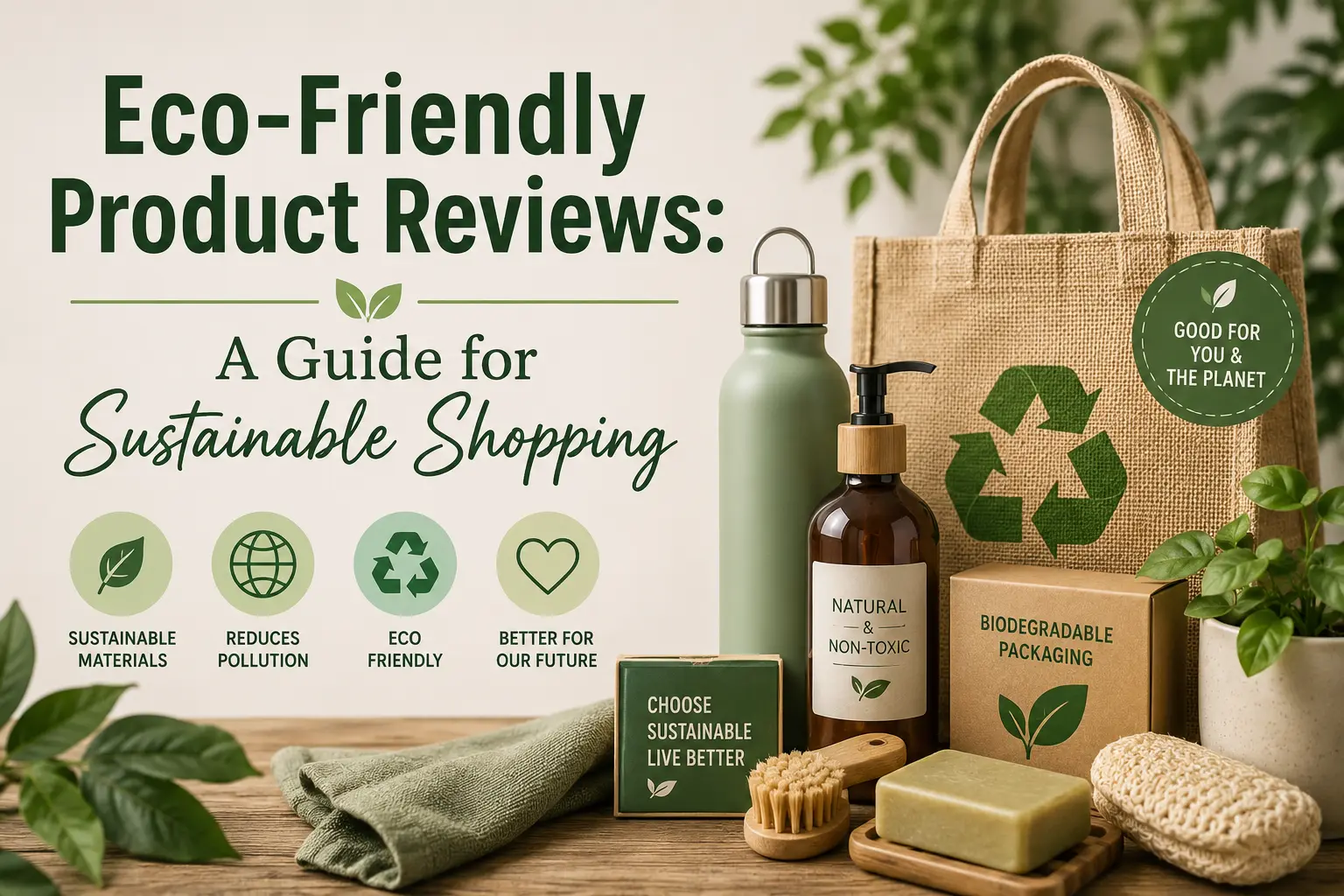
Finding authentic sustainable goods requires looking past clever marketing. True eco-friendly shopping means evaluating a product’s entire lifecycle, from raw material extraction to final disposal. This guide breaks down how to assess environmental claims so you can invest in products that genuinely protect the planet.
Key Indicators of Genuine Sustainability
When reading eco-friendly product reviews, specific benchmarks separate truly responsible brands from those merely using green imagery. Third-party verifications offer objective proof of a brand’s environmental claims.
Look for these essential factors during your research:
-
Independent Certifications: Verified stamps assure that items meet strict environmental and social standards.
-
Material Transparency: Responsible companies publish complete ingredient lists and trace their supply chains openly.
-
Carbon Offset Programs: Leading brands measure their manufacturing emissions and invest in verified reforestation or renewable energy projects.
-
Cruelty-Free Practices: Ethical production ensures no animal testing occurs at any stage of development.
-
Circular Design: Products built for the circular economy can be easily repaired, recycled, or composted at the end of their useful life.
How to Spot and Avoid Greenwashing
Greenwashing occurs when a company spends more time and money marketing its environmental credentials than actually minimizing its environmental impact. It misleads well-intentioned consumers into buying conventional items packaged as planet-friendly alternatives.
-
Analyze Vague Vocabulary: Watch out for undefined terms like “natural,” “green,” or “eco-conscious” on packaging without supporting data.
-
Inspect the Packaging Materials: A product labeled organic loses its value if it arrives wrapped in triple layers of non-recyclable plastic film.
-
Investigate Parent Companies: Sometimes a small, sustainable brand is owned by a massive conglomerate with a poor environmental track record.
-
Evaluate the Price Point: Drastically cheap items rarely account for fair wages or sustainable sourcing, as ethical production carries real baseline costs.
-
Check for Proof: If a review claims an item is biodegradable, verify whether it requires a specialized industrial composting facility to break down.
Evaluating Product Lifecycles and Durability
The most sustainable product is always the one that lasts the longest. Choosing durable goods reduces the demand for constant manufacturing and keeps waste out of landfills. A comprehensive review must analyze how well an item holds up under daily wear and tear.
Consider the energy required to create an item versus its total lifespan. For example, a reusable stainless steel water bottle has a higher initial production footprint than a plastic bottle, but it offsets that impact after a few dozen uses. Prioritize items made from rugged, single-origin materials like solid wood, stainless steel, or organic cotton, as blended textiles and composite plastics are incredibly difficult to recycle later.
Conclusion
Embracing sustainable consumerism is a continuous journey of learning and adjusting habits. By focusing on longevity, checking certifications, and actively questioning vague marketing claims, you can make informed choices that align with your environmental values. Small, deliberate shifts in purchasing power collectively drive industries toward cleaner, more responsible manufacturing methods.
Frequently Asked Questions
What makes a certification trustworthy?
A certification is reliable when it comes from an independent, third-party organization with no financial stake in the product. These groups perform unbiased audits based on publicly available standards.
Can plastic products ever be considered eco-friendly?
Yes, if they are made from high-density, recycled ocean plastics or designed to replace thousands of single-use items over a multi-year lifespan. However, bio-plastics often require specific industrial composting to degrade properly.
Why do sustainable products generally cost more upfront?
Ethical production involves paying living wages, sourcing organic or responsibly harvested raw materials, and investing in clean manufacturing technologies, which increases initial production costs.
How does shipping impact a product’s total carbon footprint?
Transportation contributes significantly to emissions. Buying items manufactured locally or shipped via ground transportation generally yields a lower carbon footprint than air-freighted goods from overseas.
What is the difference between recyclable and compostable?
Recyclable materials are processed to create new items, whereas compostable goods break down naturally into nutrient-rich soil without leaving toxic residues behind.








Leave a Reply