


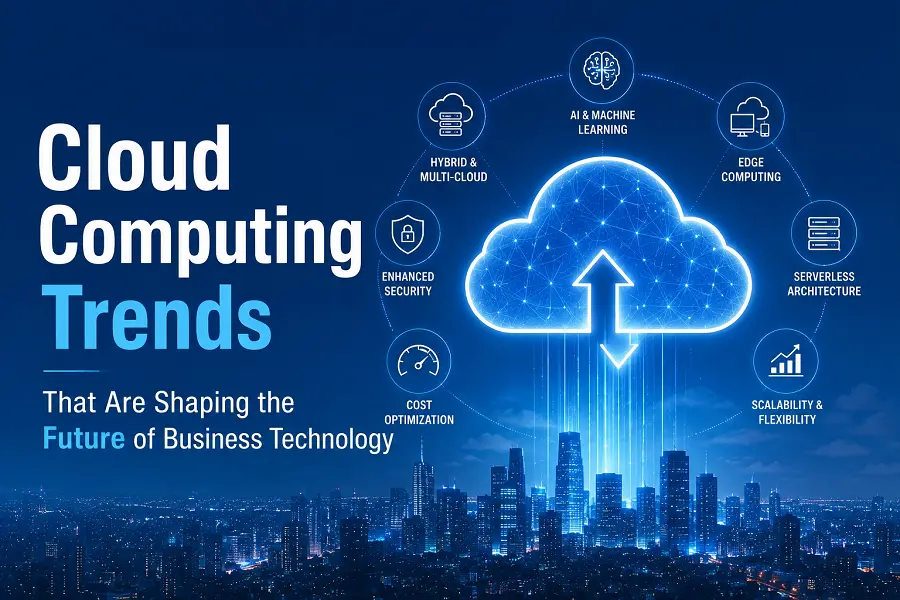
Modern business infrastructure is undergoing a massive transformation. Cloud architecture is no longer just a digital storage vault or an optional upgrade; it is the definitive foundation for corporate innovation and operational agility. As organizations look to scale operations, manage heavy computational workloads, and secure decentralized networks, specific developments are entirely altering how enterprise systems function.
Navigating this changing ecosystem requires a clear understanding of the emerging frameworks that optimize costs, boost real-time processing, and safeguard sensitive data. The following shifts represent the core advancements driving modern corporate technology strategies.
The Rise of AI-Native Environments and Intelligent Ops
Artificial intelligence requires massive computational power and massive data pipelines. Standard digital architectures often struggle with the latency and processing demands of large-scale machine learning models. Because of this, enterprise infrastructure is shifting toward custom environments engineered specifically to host, train, and deploy automated systems efficiently.
This evolution moves businesses away from manual digital management into automated, self-healing setups.
-
Intelligent Resource Allocation: Advanced networks now use automation to dynamically shift processing power, preventing system bottlenecks before they impact operations.
-
Decentralized Model Deployment: Corporate structures are separating machine learning training from daily execution, running processes across varied environments to cut operational costs.
-
Automated Data Pipelines: Storage layers are becoming active participants in software ecosystems, feeding high-quality information to automation engines with zero manual intervention.
Hybrid Infrastructure, Multi-Cloud Strategies, and Geopatriation
Relying on a single software vendor introduces massive operational risks, including high data transfer fees and sudden pricing updates. To build systemic resilience, enterprises are embracing diversified setups that spread critical workloads across multiple independent public platforms and private servers.
At the same time, regional laws and data residency mandates are forcing organizations to adopt geopatriation—the practice of moving sensitive corporate data to localized, sovereign digital networks.
-
Risk Mitigation: Distributing software applications across multiple providers ensures that an outage at one vendor does not halt global operations.
-
Regulatory Compliance: Using regional cloud networks helps businesses automatically comply with strict geographical data privacy rules.
-
Workload Optimization: Organizations can host sensitive customer databases on highly secure local hardware while leveraging scalable public networks for customer-facing applications.
-
Vendor Flexibility: Multi-platform strategies prevent total dependence on one software provider, giving corporate finance teams greater leverage during contract renewals.
Edge Computing Expansion and Financial Accountability
As localized connected devices multiply, sending every single piece of information back to a central server creates severe network delays. Edge computing solves this by processing vital information right where it is generated. This transition is essential for industries requiring instantaneous decision-making, such as automated logistics, smart manufacturing, and remote healthcare.
Simultaneously, unexpected infrastructure bills have made financial accountability a priority. Companies are adopting strict cost-management frameworks to eliminate unallocated digital waste and ensure clear return on investment.
Conclusion
The evolution of enterprise infrastructure is focused on practical, sustainable, and highly controlled ecosystems. By merging intelligent automation with flexible multi-platform architectures and localized processing, modern businesses can protect their operations against downtime while controlling costs. Investing in these decentralized, high-efficiency systems is the key to maintaining a resilient digital footprint.
FAQs
What is the difference between multi-cloud and hybrid cloud?
A multi-cloud approach utilizes services from several distinct public cloud vendors to avoid relying on a single provider. A hybrid cloud strategy specifically blends public cloud services with private, on-premises infrastructure to balance scalability with control over sensitive records.
Why are businesses moving toward edge computing?
Enterprises adopt edge processing to minimize latency by analyzing data closer to its actual physical source. This setup reduces the amount of bandwidth required to transmit information back to central servers and enables instant system responses.
How does cloud technology support corporate sustainability?
Modern shared facilities utilize highly optimized cooling systems and consolidated hardware setups that operate far more efficiently than traditional, fragmented corporate server rooms, significantly lowering overall power consumption.
What is geopatriation in enterprise technology?
Geopatriation refers to the strategic movement of digital workloads and databases into regional or sovereign networks. This ensures compliance with local consumer protection laws and shields corporate operations from international geopolitical friction.
How do companies prevent unexpected infrastructure expenses?
Organizations implement specialized cost-governance frameworks that align engineering actions with financial oversight. These systems identify idle resources, eliminate overprovisioning, and ensure predictable subscription fees.






Leave a Reply