


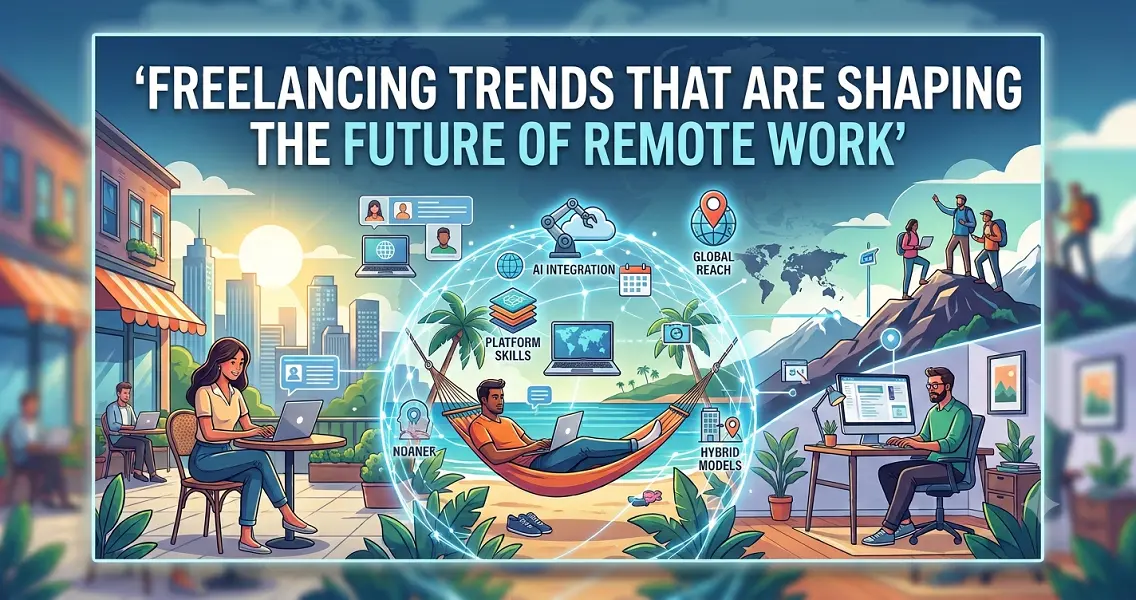
The landscape of independent contracting is experiencing a profound evolution. As traditional corporate structures flatten, the boundary between full-time employment and distributed freelance talent continues to blur. Businesses are restructuring their operations to rely on agile, on-demand experts who can deliver immediate value without organizational friction. This shift is redefining how global teams collaborate, handle compensation, and manage intellectual property across borders.
The Rise of Fractional Leadership and Specialized Consultant Guilds
Companies are moving away from hiring generalist freelancers in favor of fractional specialists who insert themselves directly into strategic operations. Rather than working in isolation, elite independent contractors are forming decentralized collectives or “guilds” to pitch for large-scale enterprise contracts that were previously reserved for traditional agencies.
-
Fractional Executives: Experienced professionals are selling their leadership capabilities to multiple startups simultaneously, serving as part-time Chief Technology Officers or Marketing Directors.
-
Niche Skill Bundling: Independent creators are partnering with developers and data analysts to offer comprehensive, cross-disciplinary packages to corporate clients.
-
Agile Integration: Businesses are skipping lengthy onboarding processes by hiring independent contractors who bring their own pre-configured, cloud-based tech stacks.
-
Outcome-Based Advisory: The market is favoring freelancers who provide high-level diagnostic assessments over those who merely execute repetitive, manual tasks.
Technical Infrastructure and Borderless Financial Systems
The logistical friction of managing international clients is evaporating due to new financial technologies and decentralized compliance platforms. Global remote workers are gaining access to infrastructure that ensures secure, instant payments and transparent contract management regardless of geographic constraints.
-
Automated Escrow Smart Contracts: Independent workers are utilizing blockchain-adjacent protocols to lock in milestone payments, eliminating the risk of non-payment or delayed corporate cycles.
-
Cross-Border Multi-Currency Wallets: Digital nomads are bypassing traditional banking fees by utilizing localized virtual accounts that convert payments instantly at mid-market rates.
-
Localized Compliance As A Service: Freelancers are leveraging automated platforms that instantly adapt service agreements to match the specific tax laws and labor regulations of the client’s home country.
-
Decentralized Identity Verification: Securing sensitive enterprise data now relies on portable, cryptographic credentials that allow freelancers to access secure corporate networks without traditional corporate accounts.
The Shift Toward IP Licensing and Productized Services
To escape the limitations of trading hours for currency, modern freelancers are transforming their businesses into scalable entities. This transition involves turning repetitive workflows into repeatable products and retaining ownership over the intellectual assets they create.
Instead of writing custom code or designing graphics from scratch for every contract, independent operators are building proprietary frameworks, templates, and software components. They license these assets to clients on a recurring subscription basis or include them as premium add-ons in their service contracts. This approach protects the freelancer’s long-term earning potential while giving clients access to battle-tested, high-performance solutions at a fraction of the cost of custom development.
Conclusion
The future of independent remote work centers on scalability, specialized networks, and frictionless global commerce. As organizations lean into variable cost models, the freelancers who position themselves as strategic partners rather than transactional labor will command the market. Success requires building a personal infrastructure that favors intellectual property ownership and seamless digital collaboration.
FAQs
What is a fractional freelance specialist?
A fractional specialist is an experienced professional who provides high-level strategic or executive services to multiple companies on a part-time, long-term basis rather than working full-time for a single employer.
How are freelance guilds altering the traditional agency model?
Freelance guilds allow independent operators to pool their diverse skills to win massive enterprise projects, offering clients agency-level results without the bloated overhead costs of a traditional firm.
Why is productized services growing in popularity among remote workers?
Productizing services allows freelancers to package their expertise into fixed-price, clearly defined deliverables, which eliminates scope creep and decouples their income from billable hours.
How do smart contracts benefit independent contractors?
Smart contracts automatically release funds to the freelancer as soon as pre-defined milestones are met and verified, drastically reducing payment delays and administrative disputes.
How should remote freelancers prepare for changing international tax laws?
Independent workers should utilize automated compliance software that dynamically adjusts contract terms and tax withholding guidelines based on the client’s legal jurisdiction.







Leave a Reply