


The foundational infrastructure of the world’s most popular content management system is shifting rapidly. WordPress is moving decisively away from monolithic codebases and rigid templates toward an ecosystem dominated by artificial intelligence, block-based site engineering, and extreme optimization. For website owners, keeping pace with these changes is no longer about aesthetics; it directly influences search engine visibility, operational expenses, and user retention.
Adapting to this modernized landscape requires abandoning legacy workflows in favor of agile, performance-first methodologies. The following shifts outline exactly where the platform is heading and how to leverage these changes for sustainable digital growth.
The Proliferation of Full-Site Editing and Block Governance
Block-based site architecture has officially transitioned from an experimental feature to the baseline standard for new development. Full-Site Editing (FSE) grants site administrators complete visual control over global elements like headers, footers, and archive templates without requiring custom PHP code. This structural shift eliminates dependency on heavy third-party page builders, significantly lightening the codebase.
-
Unified Global Control: Administrators manipulate typography scales, color palettes, and structural padding site-wide using a single, centralized style interface.
-
Data Views Integration: Managing posts, pages, and media elements now occurs within a fluid, filterable grid inside the site editor, streamlining administrative workflows.
-
Native Grid and Flexbox Modules: Complex, responsive multi-column layouts assemble natively, eliminating the excess nested div containers that historically degraded mobile rendering.
-
Reusable Pattern Systems: Instead of rebuilding page segments from scratch, teams deploy synced block patterns to maintain visual harmony across thousands of landing pages.
Architectural Evolution and Edge-First Infrastructure
As web platforms increasingly prioritize real-time user engagement metrics, WordPress hosting architecture is migrating closer to the end-user. Relying entirely on a centralized origin server introduces latency gaps that frustrate global audiences. The modern deployment model focuses heavily on decoupling content management from display delivery, using the network’s edge to process requests instantly.
-
Decoupled Headless Environments: Utilizing WordPress strictly as a backend Content Management System (CMS) while serving the frontend via fast JavaScript frameworks yields unmatched loading speeds and ironclad security.
-
Edge HTML Caching: Moving beyond standard image and CSS distribution, modern hosting setups now cache and serve the actual dynamic HTML documents from global edge servers.
-
Optimizing Interaction to Next Paint (INP): Technical optimization focuses directly on minimize browser processing delays, ensuring pages respond immediately to consumer taps, clicks, and keystrokes.
-
Automated Server Resource Scaling: Cloud infrastructure instantly handles sudden traffic spikes, such as viral promotional campaigns, by allocating operational memory dynamically without causing site downtime.
AI Ingestion Across the Editorial Workspace
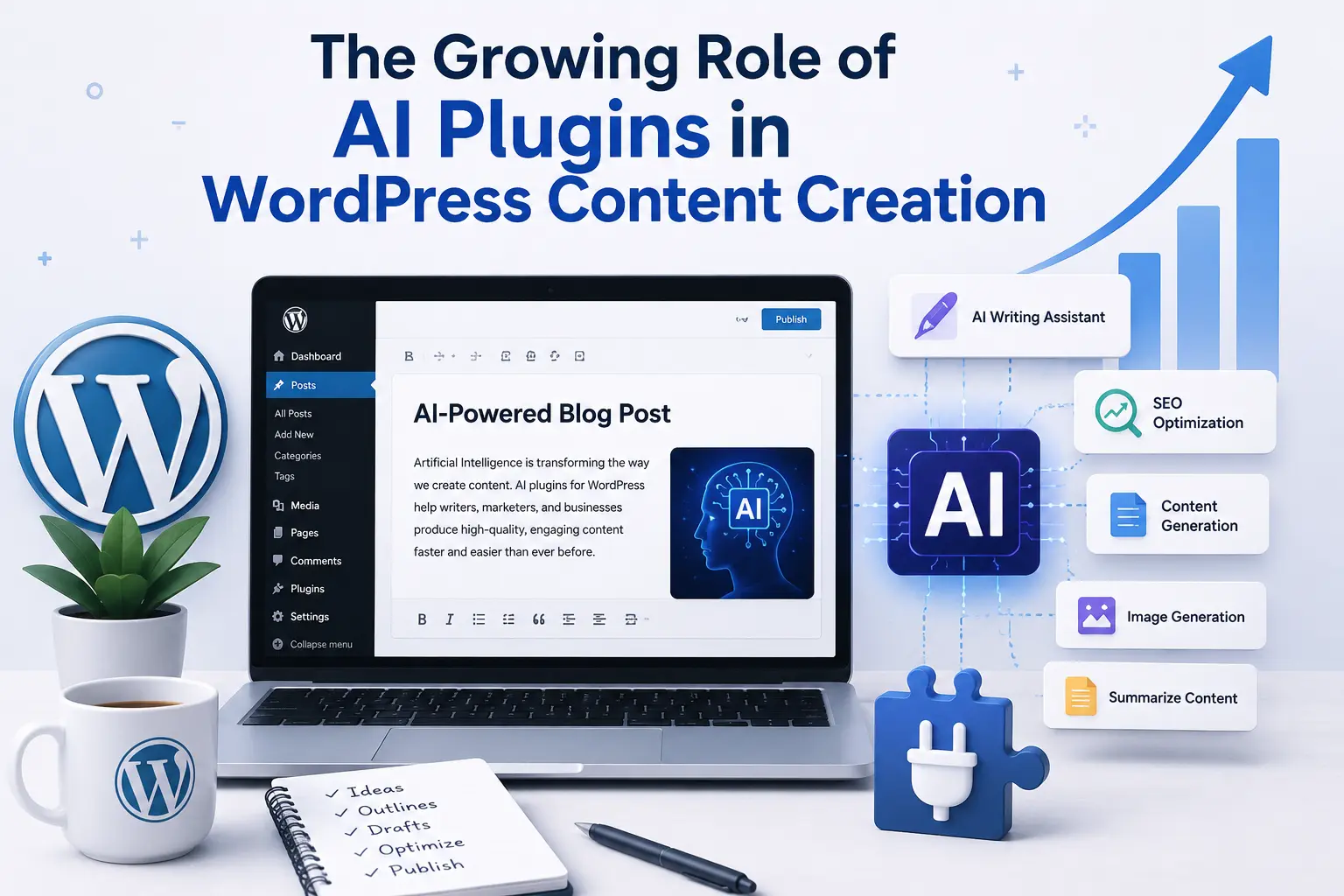
Artificial intelligence inside the ecosystem has progressed far beyond generic text generation plugins. Machine learning modules are now deeply woven into core administrative layers to automate tedious formatting, categorization, and optimization tasks. This allows lean digital teams to execute high-volume content strategies with minimal manual oversight.
Smart contextual assistants within the block editor scan content in real time, automatically generating structured schema markup, predicting optimal internal link paths, and resizing media files prior to database ingestion. Furthermore, adaptive algorithmic layers analyze historical user browsing behaviors on the site to dynamically rearrange block layouts, ensuring that returning visitors receive a highly personalized user interface tailored to their explicit intent.
Conclusion
Succeeding with WordPress requires embracing an ecosystem that favors clean code, native block styling, and decentralized server delivery. Website owners who proactively phase out legacy plugins and heavy themes will capture a distinct competitive advantage in both platform stability and organic search rankings.
FAQs
What is the primary benefit of switching to a native block theme?
Native block themes radically reduce database queries and eliminate bulky external stylesheet dependencies. This streamlined code structure leads to faster server response times, higher mobile performance scores, and simplified site maintenance.
How does headless WordPress improve website security?
By separating the front-end display from the core database backend, a headless architecture hides the standard WordPress login pathways and administration panels from public view, rendering the site exceptionally resilient against brute-force attacks.
Will old plugins remain compatible with Full-Site Editing?
While most legacy plugins continue to run on classic environments, many will fail to interface with the global style panels of FSE. Upgrading to block-enabled alternatives is highly recommended to prevent layout fragmentation.
Why is Interaction to Next Paint (INP) crucial for site owners?
INP measures how quickly a web page responds to a physical user interaction. Because search engines treat interface responsiveness as a direct ranking signal, optimizing your scripts to improve INP prevents drops in organic visibility.
Is AI integration within WordPress safe for data privacy compliance?
Data safety depends heavily on plugin architecture. Utilizing tools that leverage local server processing or secure, anonymous API connections ensures user data remains fully compliant with regional privacy frameworks.





Leave a Reply