


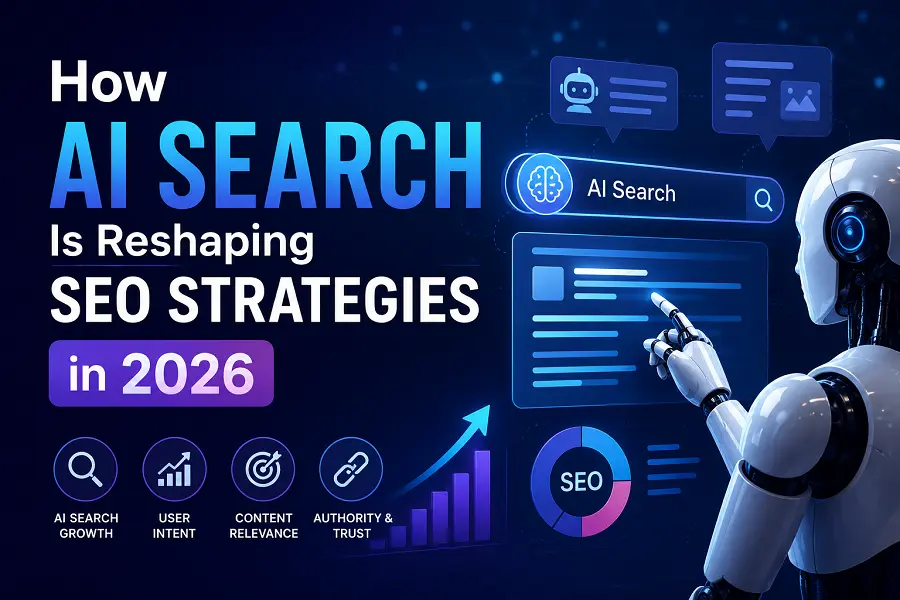
The integration of generative engines into main search interfaces has changed how information is indexed, organized, and delivered. Finding answers no longer requires clicking through pages of index links. Instead, users receive synthesized summaries that answer their complex questions instantly. This evolution means content creators must transition from basic keyword targeting to optimizing for algorithmic synthesis.
The Evolution of Retrieval and the Curation Mechanics of AI Overviews
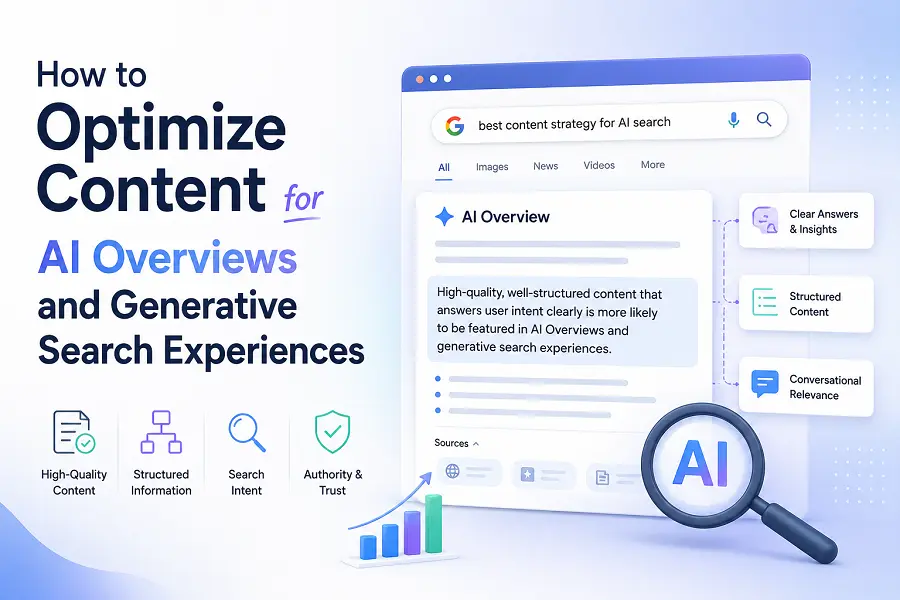
Generative search engines do not just find words; they synthesize concepts from multiple online sources simultaneously to build a single answer. These models favor information that offers absolute clarity, strict factual precision, and immediate structural layout. Securing visibility in these summary blocks requires adjusting your technical writing style to fit machine extraction patterns.
-
Factual density takes priority: Sentences must be loaded with clear facts, removing unnecessary adjectives, filler descriptions, and repetitive introductory clauses.
-
Entity alignment: Search systems rank pages based on how accurately they link a brand, product, or concept to verified real-world database entities.
-
Direct question-to-answer layout: Placing a concise summary sentence immediately beneath an explicit heading optimizes content for automated snippet extraction.
-
Information architecture cleanups: Removing confusing conversational phrasing allows machine crawlers to scan, verify, and cite your assets quickly.
Deconstructing the Non-Linear Paths of Modern Search Intent
User behavior has evolved beyond basic phrases into multi-stage, conversational dialogues. A single user session might include voice details, uploaded images, and highly specific follow-up questions. Static keyword strategies cannot map to these unpredictable user journeys, requiring a more agile approach to topical coverage.
-
Multi-layered question strings: Audiences combine geographic, price, and usage conditions into a single query rather than running separate searches.
-
Visual and contextual inputs: Consumers frequently capture photos of physical items and ask AI search tools to diagnose issues or locate identical products online.
-
Comparative analysis demands: Search journeys heavily involve asking engines to contrast competing software, strategies, or methodologies within a single workspace.
-
Iterative problem-solving: Users treat search interfaces as conversational partners, refining their queries continuously based on the engine’s previous answers.
Validating Human Experience as the Ultimate Optimization Countermeasure
As automated content fills the web, proving genuine human experience has become the most effective way to maintain high organic visibility. Machine summaries excel at compiling public information, but they cannot replicate original testing, unique business case studies, or firsthand professional experience. Showcasing these unique elements protects your brand from being replaced by automated answers.
Publishing unique data points, step-by-step experiment logs, and multimedia walkthroughs provides proof of genuine human effort. Strategy must center on answering questions that require nuanced industry perspective or specialized hands-on problem-solving. This approach confirms to both human readers and search algorithms that your website offers original, helpful value rather than recycled information.
Conclusion
Succeeding in the era of AI search requires a dual approach: optimizing content structure for easy machine retrieval while ensuring deep, human-driven insights for the user. When brands match technical precision with authentic experience, they secure stable visibility across all digital discovery platforms.
Frequently Asked Questions
What is Generative Engine Optimization (GEO)?
Generative Engine Optimization is the process of structuring web content so AI engines can easily read, synthesize, and cite it within their conversational summaries. This approach prioritizes clear data formatting, entity connections, and factual accuracy over traditional keyword frequency.
How do conversational queries impact long-tail keyword strategies?
Traditional long-tail keywords are being replaced by natural human phrasing and multi-sentence questions. Instead of guessing specific static phrases, content creators must answer the broader needs, scenarios, and problems behind conversational search behavior.
Why do AI search engines favor original case studies and primary data?
Automated models require fresh, accurate source material to update their predictive systems. By publishing proprietary research, unique experiments, and first-party data, your website becomes an essential source that AI platforms must reference and link to.
How should heading structures change to accommodate AI overviews?
Headings must be clear and direct, stating the exact question or subtopic covered. Avoid creative or vague titles; instead, use descriptive language that signals the precise informational value found in the following section.
Does the rise of AI search mean traditional SEO is obsolete?
No, but traditional methods are changing significantly. Technical stability, fast loading speeds, clean crawl paths, and schema architecture remain vital, but your content strategy must evolve to focus on intent fulfillment and verifiable authority.






Leave a Reply