


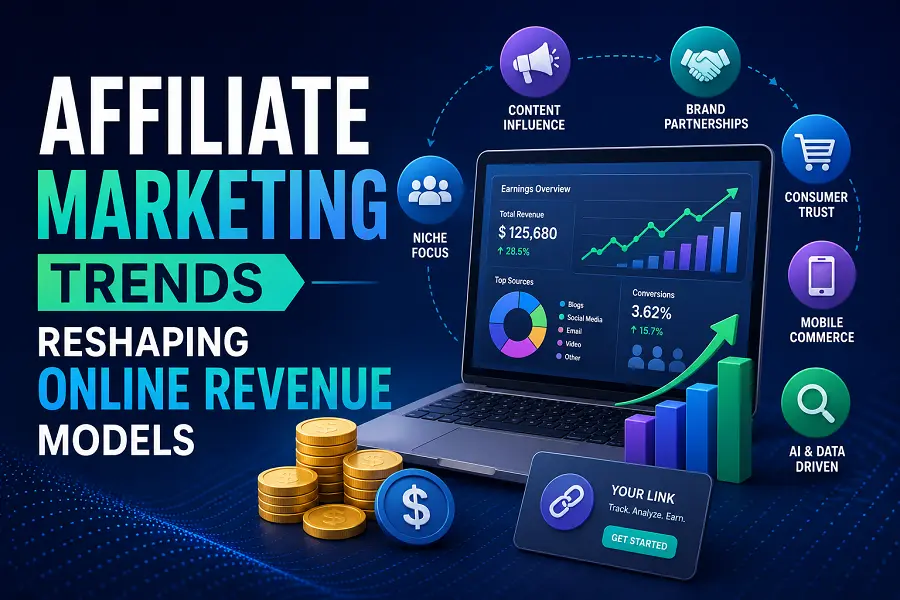
The landscape of digital monetization is shifting. Standard banner ads and generic referral links no longer deliver the returns they once did. Driven by changing consumer behavior, privacy regulations, and technological advancements, affiliate marketing is evolving into a sophisticated, relationship-driven revenue model.
To maintain a competitive edge, content creators, brands, and platforms must adapt to these emerging dynamics.
The Rise of Nano and Micro-Influencer Partnerships
Audiences increasingly distrust massive celebrities pushing products they clearly do not use. Instead, consumers turn to niche creators who possess deep domain expertise and high engagement rates. Brands are reallocating their budgets toward these smaller partners because they offer authentic connections with highly targeted communities.
-
Hyper-Focused Audiences: Creators with fewer than 10,000 followers often command conversion rates that eclipse those of macro-influencers.
-
Cost-Effective Scalability: Performance-based compensation structures allow brands to collaborate with dozens of micro-influencers simultaneously without massive upfront retainers.
-
Community Trust: Recommendations feel like advice from a knowledgeable friend rather than a corporate advertisement.
-
Niche Relevance: High alignment between the creator’s content and the product guarantees contextual relevance, which improves search visibility and user trust.
AI-Driven Personalization and Dynamic Links
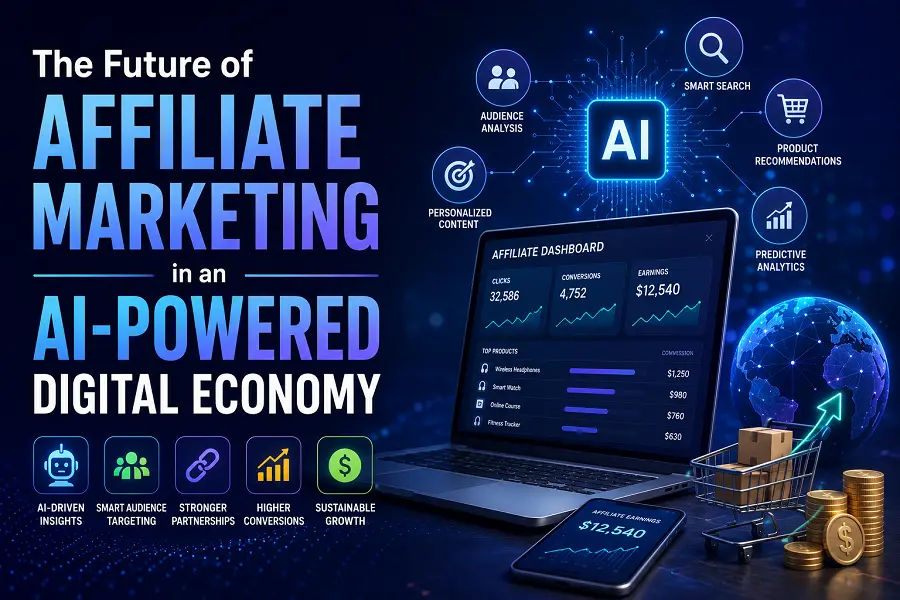
Artificial intelligence is transforming how affiliate products are recommended to users. Instead of static links embedded permanently within text, modern platforms utilize dynamic optimization tools to match offers with individual user intent in real time.
-
Predictive Behavioral Targeting: Algorithms analyze visitor browsing patterns to display the affiliate products most likely to trigger a purchase.
-
Automated Content Auditing: AI tools scan older blog posts to replace broken links or outdated offers with high-performing, relevant alternatives.
-
Dynamic Pricing Displays: Intelligent widgets pull live pricing and stock availability directly from merchant APIs, preventing user frustration from expired deals.
-
Localized Offer Routing: Systems detect a user’s geographical location and automatically redirect them to the correct regional storefront, preserving the affiliate commission.
Shift Toward First-Party Data and Cookieless Tracking
The deprecation of third-party cookies forces the affiliate industry to rebuild its tracking infrastructure. Privacy-first tracking methods ensure that publishers receive credit for their conversions without violating user confidentiality.
Server-to-server (S2S) tracking has become the new industry standard. By passing unique click identifiers directly from the publisher’s server to the advertiser’s database, this method bypasses browser limitations and ad-blockers entirely. Furthermore, successful affiliates now prioritize building owned audiences via email newsletters and premium memberships. Collecting first-party data allows marketers to recommend products directly to their audience, eliminating total reliance on volatile search engine algorithms or social media platform updates.
Conclusion
Affiliate marketing has transitioned from a passive income sideline into a core pillar of modern digital business strategy. Success now requires a balance of genuine human connection and advanced technical implementation. By embracing niche partnerships, leveraging predictive AI, and securing privacy-compliant tracking, publishers and brands can unlock sustainable, long-term revenue streams.
Frequently Asked Questions
What is server-to-server tracking in affiliate marketing?
Server-to-server tracking passes data directly between the merchant’s and publisher’s servers using unique click IDs. This method does not rely on browser cookies, making it more accurate and privacy-compliant.
Why are brands choosing micro-influencers over celebrities?
Micro-influencers possess highly engaged, loyal audiences within specific niches. Their recommendations carry more authenticity, resulting in higher conversion rates and better return on ad spend.
How does artificial intelligence improve affiliate revenue?
AI analyzes user behavior to deliver dynamic product recommendations, automates the optimization of old links, and ensures users see accurate, localized pricing in real time.
What is first-party data asset building?
It is the practice of collecting user information directly through your own channels, such as email lists or community forums. This reduces reliance on third-party tracking and platform algorithms.
How do dynamic affiliate links function?
Dynamic links automatically update their destination, pricing, or product details based on the visitor’s location, device, browsing history, or current merchant inventory.






Leave a Reply