


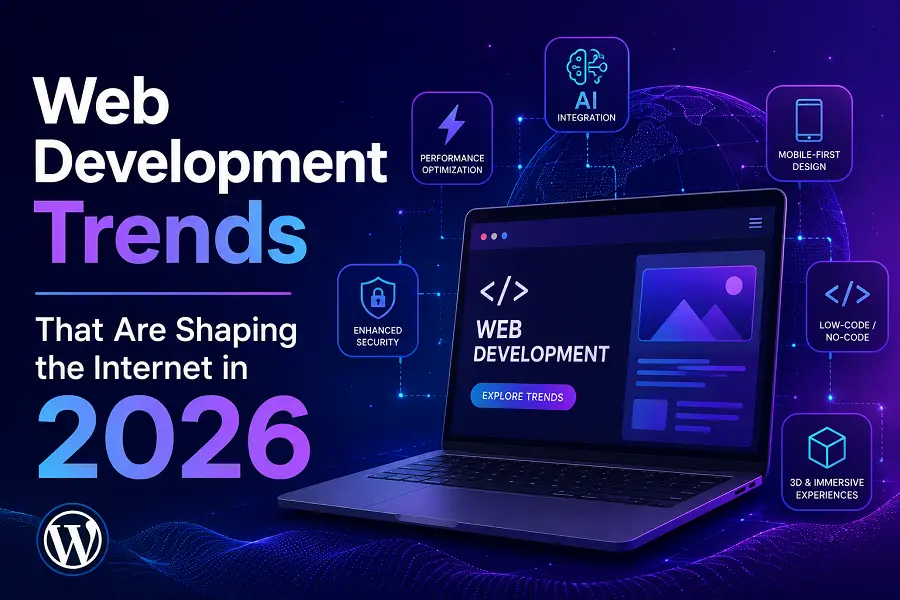
The digital landscape has shifted from static, predictable pages into an ecosystem of adaptive, highly intelligent platforms. Users now demand instantaneous responses, strict security, and deeply tailored content. Meeting these expectations requires moving past legacy coding methods. Modern engineering focuses heavily on combining raw performance with predictive architectures. Discover the core advancements redefining how platforms operate, scale, and engage visitors this year.
Server-First Architectures and Zero-Runtime Overhead
The balance between server power and client-side processing has reached a clear turning point. Shipping massive JavaScript bundles to user devices causes lag, drains battery life, and hurts engagement metrics. To solve this, technical frameworks now prioritize rendering content on the server by default.
-
Minimal Browser Execution: Heavy structural code remains on server infrastructure, delivering lightweight HTML and styling directly to browsers.
-
Automatic Compilation: Modern compilers evaluate code during the build stage, wiping out the need for manual optimization while shrinking final bundle sizes.
-
Granular Component Streaming: Interactive page pieces load independently, preventing secondary layout elements from blocking primary content display.
-
Predictive Asset Loading: Platforms anticipate secondary user interactions to download visual elements right before they are needed.
The Rise of Intelligent Personalization and Edge Computing
Static global websites are rapidly giving way to dynamic platforms that instantly adjust to localized contexts. Delivering these personalized experiences smoothly requires moving computational work away from centralized data warehouses. Processing data at the network edge ensures localized user requests resolve almost instantly.
-
Context-Aware Layout Generation: Platforms analyze scrolling speed, input types, and browser contexts to rearrange menus or highlight relevant information on the fly.
-
Reduced Physical Latency: Running execution code on localized edge nodes cuts data travel distances, protecting platforms against high bounce rates caused by millisecond delays.
-
Dynamic API Optimization: API layers running at the network edge aggregate distinct data blocks into a single, cohesive payload before hitting the browser.
-
Adaptive Infrastructure Scaling: Edge networks handle massive traffic spikes automatically by distributing localized computational strain across global nodes.
Native Browser Capabilities and Micro-Interactions
Building engaging user journeys no longer requires piling complex script files on top of basic markup. Browser software has evolved to handle advanced layout behaviors, functional designs, and animations directly through native code. This shift keeps codebases maintainable while providing incredibly smooth motion design.
Functional movement shapes how users navigate interfaces without distracting them from core information. Subtle changes to button states, smooth container transitions, and responsive hover reactions provide vital feedback. These built-in layout features ensure design changes adapt accurately to varying device dimensions while keeping page execution crisp and lightweight.
Conclusion
Building successful web platforms requires prioritizing performance, responsive engineering, and absolute user value. Shifting toward server-first rendering, leveraging edge intelligence, and embracing native browser tools allows platforms to deliver fast, secure, and intuitive digital spaces. Focusing engineering efforts on reducing friction remains the single most reliable path to achieving sustained online visibility.
FAQs
What is a server-first architecture?
It is a building method where data fetching and structural layout generation occur on server infrastructure rather than inside the user’s browser. This minimizes the amount of heavy script files sent to personal devices, ensuring pages load rapidly even on weaker mobile networks.
How does edge computing benefit platform visitors?
Edge computing processes individual requests at server locations situated geographically closest to the specific visitor. By eliminating the need to send data back and forth to a distant central data center, platform interactions become highly responsive and latency is minimized.
Why are native browser features replacing large script libraries?
Modern web browsers natively support complex styling systems, responsive container updates, and rich animations. Utilizing these built-in functionalities reduces reliance on heavy external tools, resulting in cleaner codebases, smaller file transfer sizes, and better runtime speeds.
What are micro-interactions in modern interfaces?
Micro-interactions are subtle, purposeful visual responses to specific user actions, such as a smooth color change when clicking a button or a clear transition during page scrolling. They guide navigation and confirm inputs without relying on resource-heavy animations.
How do these engineering updates affect search engine performance?
Search platforms rank websites based on actual page load performance, visual stability, and responsive mobile usability. Utilizing lightweight native styles and optimizing server data delivery directly improves these core performance metrics, helping platforms secure stable organic search placement.







Leave a Reply