


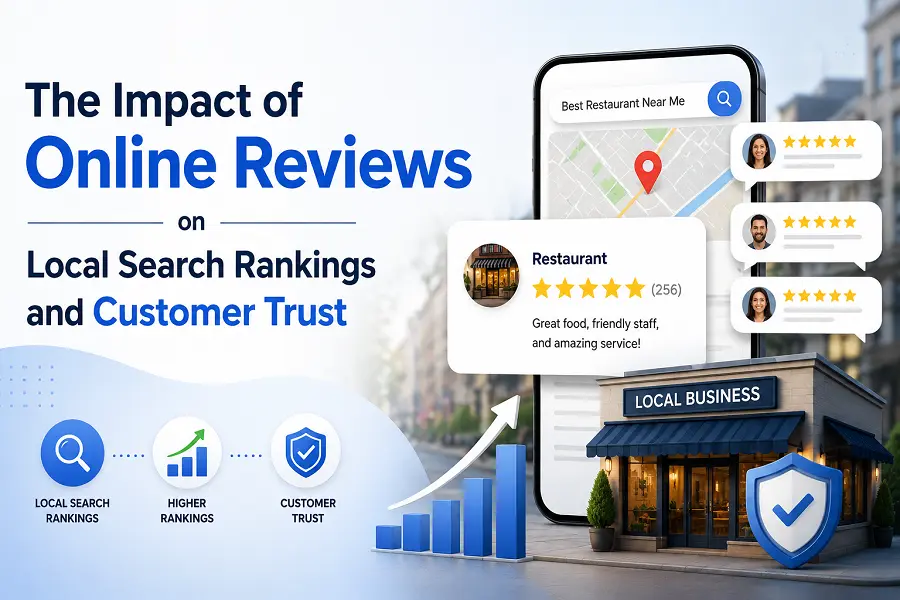
Customer feedback has transitioned from basic word-of-mouth recommendations into a critical algorithmic ranking mechanism. For localized businesses, the public commentary left on digital profiles dictates both search visibility and consumer behavior. Search engines prioritize real-world validation to ensure they direct users to reliable, operational storefronts and services.
Understanding the dual nature of digital evaluation requires examining how automated algorithms parse text feedback alongside human psychology. High search placement gets a business noticed, but authentic user sentiment secures the actual transaction. Managing this intersection effectively is essential for any business aiming to scale its regional operations.
Deconstructing the Algorithmic Worth of Public Feedback
Search engine crawler systems do not just tally the total number of stars on a profile. Sophisticated natural language processing systems dissect the specific characteristics of your review library to gauge community relevance.
-
Keyword Density and Semantic Richness: When patrons describe their experiences using specific service names and geographic identifiers, they provide contextual proof of your business activities. These organic text strings help index the listing for long-tail localized inquiries.
-
Velocity and Accumulation Cadence: A sudden influx of fifty comments followed by months of complete silence looks unnatural to automated quality systems. A steady, predictable stream of fresh feedback signals an active, operational business entity.
-
Platform Diversity and Cross-Registry Signals: Ranking engines look beyond a single primary profile. Having a distributed footprint of user feedback across industry-specific directories and consumer forums reinforces overall brand authority.
-
Sentiment Variance Tolerances: A profile featuring exclusively perfect scores with zero constructive criticism often raises quality flags. A natural distribution of scores looks more authentic to validation systems.
Actionable Steps to Build and Leverage Customer Trust
Converting search visibility into revenue requires a structured workflow that handles feedback transparently. Businesses must actively cultivate their digital reputation to turn casual browsers into committed buyers.
-
Incentivize honest descriptive text: Move away from simply asking for a high rating. Train customer-facing teams to ask patrons to mention the exact problem they needed solved or the specific product they purchased.
-
Execute contextual business responses: Reply to every piece of feedback promptly, using professional, unique language. Acknowledge positive notes with gratitude and address negative remarks by offering practical, offline resolution steps.
-
Embed authentic feedback on core landing pages: Display real-time customer commentary directly on your main corporate website. Showcasing native reviews near conversion points reduces buyer hesitation and improves onsite engagement metrics.
-
Audit and suppress fraudulent entries: Monitor your profiles for sudden, malicious feedback spikes from unverified profiles. Utilize native platform reporting channels to systematically dispute entries that violate user guidelines.
Navigating the Psychology of Consumer Trust and Conversions
While search crawlers use reviews to determine geographic proximity and relevance, human searchers use them to calculate financial and emotional risk. A consumer looking for a local contractor or medical professional seeks reassurance that the business is safe, competent, and ethical.
Profiles that showcase active owner responses to critical feedback often build stronger customer trust than those with unaddressed five-star scores. A professional reply demonstrates accountability and a commitment to service quality. By showcasing how your business resolves real-world friction, you turn an isolated negative experience into a powerful demonstration of corporate integrity.
Conclusion
The connection between digital customer feedback, local search visibility, and audience trust is undeniable. Algorithms favor businesses that possess authentic, keyword-rich, and continuously updated community proof. Simultaneously, consumers rely on these public records to make rapid purchasing decisions. Prioritizing an ethical feedback strategy ensures long-term visibility and sustainable customer acquisition.
FAQs
Do keywords inside customer reviews actually improve local rankings?
Yes, natural language processing systems scan customer commentary for specific product names, service descriptions, and neighborhood locations. This text provides organic proof of your business relevance, boosting visibility for related search terms.
How should a business handle an unfair one-star review?
Publish a calm, professional reply immediately to show prospective clients your commitment to customer care. Avoid defensive arguments, state your standard of service, and invite the individual to contact your management team directly to resolve the issue offline.
Can offering discounts or free products in exchange for reviews penalize a listing?
Yes, offering tangible incentives violates major search platform guidelines and consumer protection laws. If automated systems detect manipulative review generation, the business profile can face severe ranking downgrades or total removal.
How old can a review be before it loses its impact on customer trust?
Most digital consumers look for feedback left within the last three months. Even if a business has a high overall historic rating, an absence of recent commentary can make searchers wonder if the quality of service has declined.
Is it necessary to reply to positive reviews?
Replying to positive feedback is highly beneficial. It signals to search engine algorithms that the business profile is actively managed, while demonstrating to potential customers that you value your client relationships.





Leave a Reply