


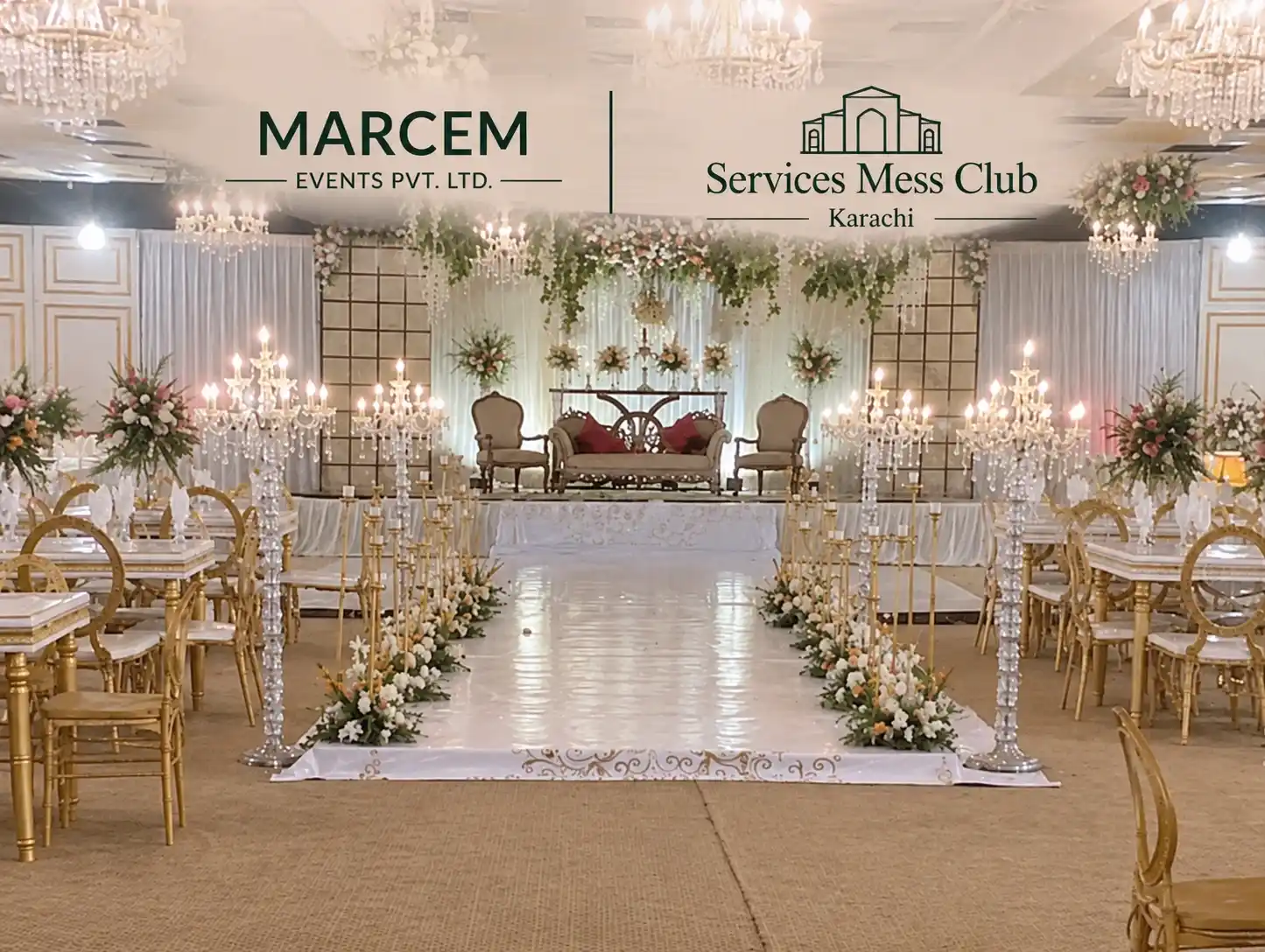
Recognising achievements is an important part of building a positive organisational culture. Companies, professional associations and institutions often organise award ceremonies to appreciate employees, celebrate milestones and acknowledge outstanding contributions.
These occasions bring people together for an evening of recognition, formal presentations and professional interaction. However, organising a successful awards event requires more than preparing trophies and inviting guests. The programme, stage arrangements, seating, audiovisual requirements and guest experience must all be considered.
For organisations researching Services Mess Club in Karachi, understanding the planning requirements of recognition events can help them assess venue suitability and prepare an organised celebration.
This guide explores how to plan award ceremonies, employee appreciation functions and professional recognition events, from the initial concept to the final presentation.
1. Define the Purpose of the Recognition Event
Every awards ceremony should begin with a clear objective. Some organisations want to recognise employee performance, while others celebrate business achievements, long-term service, leadership or industry contributions.
The purpose determines the event format and the way recognition is presented.
Common types of recognition events include:
- Employee achievement ceremonies.
- Annual corporate awards.
- Long-service recognition functions.
- Leadership appreciation events.
- Sales performance awards.
- Professional association ceremonies.
- Business milestone celebrations.
- Partner and stakeholder appreciation events.
Before selecting a venue, organisers should determine the intended audience, number of award recipients, expected attendance and overall programme duration.
When considering Services Mess Club Karachi, organisations should verify venue availability, permitted event formats, facilities and applicable policies directly with venue management.
2. Develop an Awards Ceremony Concept
A consistent event concept helps connect the programme, visual presentation and communication.
The concept should reflect the organisation’s identity and the significance of the occasion.
For example, an annual employee recognition event may use a formal corporate theme, while a professional association’s awards ceremony may focus on industry achievements.
Consider the following elements:
Event Theme
Choose a theme that reflects the occasion without making the event unnecessarily complicated.
Visual Identity
Use consistent colours, typography and design elements across invitations, stage graphics, award certificates and presentation slides.
Event Messaging
Prepare a clear message explaining why the organisation is recognising its recipients and what their achievements represent.
Award Categories
Create categories that are relevant, understandable and connected to the event’s objectives.
A clear concept gives the organising team a framework for making decisions throughout the planning process.
3. Prepare Award Categories and Selection Criteria
The credibility of an awards ceremony depends partly on how recipients are selected.
Organisations should establish clear categories and criteria before announcing the awards.
Possible categories include:
- Outstanding Employee of the Year.
- Excellence in Leadership.
- Innovation and Creativity.
- Customer Service Achievement.
- Team Performance Award.
- Long-Service Recognition.
- Emerging Talent Award.
- Outstanding Business Contribution.
The selection process should be communicated to relevant stakeholders. Where appropriate, organisations can establish a review committee and document the criteria used to evaluate nominations.
This helps ensure that recognition is meaningful and that participants understand the purpose of each award.
4. Choose a Suitable Venue and Confirm Event Requirements
The venue should support the event’s practical requirements as well as its intended atmosphere.
An awards ceremony may involve a stage, presentation screen, award display area, guest seating and a reception arrangement.
When evaluating Services Mess In Karachi for a potential recognition event, organisers should consider the following:
Guest Capacity
Confirm the number of guests that can be accommodated under the proposed layout. The available capacity should be verified with venue management.
Stage and Presentation Area
Determine whether the proposed programme requires a stage, podium or designated presentation area. Confirm which arrangements are permitted.
Seating Layout
Consider the number of award recipients, presenters, senior representatives and invited guests when preparing a seating plan.
Technical Requirements
Identify the requirements for microphones, sound equipment, lighting and presentation screens.
Access and Event Policies
Confirm guest access, setup timings, decoration permissions, booking conditions and any restrictions that may affect the event.
The final venue decision should be based on confirmed facilities and arrangements rather than assumptions.
5. Create a Structured Awards Ceremony Programme
The programme is one of the most important parts of an awards event. It should allow sufficient time for presentations, announcements, photographs and audience interaction.
A sample programme could follow this structure:
| Programme stage | Activity |
|---|---|
| Guest arrival | Registration and reception |
| Opening | Welcome and introduction |
| Event address | Remarks from the host or senior representative |
| First presentation | Initial award categories |
| Recognition segment | Remaining award announcements |
| Appreciation address | Closing message from leadership |
| Group photography | Photographs with recipients |
| Networking | Refreshments and guest interaction |
The sequence should reflect the number of award categories and the importance of the occasion.
Organisers should avoid lengthy gaps between presentations. A rehearsed programme can help maintain momentum and keep guests informed.
6. Plan Stage Design and Award Presentation Arrangements
The stage is often the visual centre of an awards ceremony. It is where recipients are announced, recognised and photographed.
Stage planning should take into account:
- Backdrop design.
- Event branding.
- Podium placement.
- Presentation screens.
- Microphone arrangements.
- Lighting requirements.
- Award display and handling.
- Presenter and recipient movement.
The presentation process should also be organised in advance.
For example, the organising team should know who will announce each category, who will hand over the award and where recipients should stand for photographs.
All stage installations, equipment and decorations must comply with venue policies and receive the necessary approval.
7. Coordinate Awards, Certificates and Recognition Materials
Awards and certificates should be prepared well before the event date.
Organisers should confirm recipient names, job titles, award categories and spelling before production begins.
A preparation checklist can include:
- Final list of award recipients.
- Approved award category names.
- Trophy or plaque specifications.
- Certificate design and printing.
- Recipient name verification.
- Presentation order.
- Award storage and transport.
- Backup copies of presentation information.
For larger ceremonies, it may be useful to assign a team member to manage the awards and ensure that each item is available at the correct time.
8. Manage Invitations and Guest Registration
The guest list for an awards ceremony may include employees, company leadership, family members, business partners, clients and invited representatives.
Organisers should prepare a registration process that reflects the event’s size and audience.
Important arrangements include:
- Invitation design and distribution.
- RSVP collection.
- Guest confirmation.
- Award recipient coordination.
- VIP guest information.
- Seating assignments.
- Arrival instructions.
- Registration responsibilities.
The organising team should maintain an updated attendance list and communicate relevant changes to the venue and event coordinators.
Guest information should be handled responsibly and shared only with the people who require it for event management.
9. Arrange Photography and Audiovisual Coverage
An awards ceremony often creates important moments that organisations may want to document for internal communication, company publications or future reference.
Photography and video requirements should be established before the event.
Consider arranging coverage for:
- Guest arrivals.
- Opening remarks.
- Award announcements.
- Presentation moments.
- Individual recipient photographs.
- Group photographs.
- Networking and closing activities.
Audiovisual arrangements may include microphones, presentation screens, sound equipment and suitable lighting.
The technical team should receive the final programme and presentation files in advance. Organisers should also confirm any venue restrictions relating to photography, recording and equipment installation.
10. Organise Catering and Guest Hospitality
Hospitality arrangements should reflect the format and duration of the ceremony.
A shorter recognition function may require refreshments, while a longer awards evening may include dinner service.
Before confirming catering, organisers should consider:
- Expected attendance.
- Menu selection.
- Dietary requirements.
- Food allergies.
- Service timings.
- Guest seating arrangements.
- Refreshment breaks.
- Coordination with the awards programme.
If an event is being considered at Services Mess Club, catering availability, menu arrangements and any external catering permissions should be confirmed directly with venue management.
11. Prepare a Realistic Event Budget
An awards ceremony can involve multiple cost categories. Preparing a detailed budget helps organisations understand the financial requirements before approving the event.
A typical budget may include:
| Budget category | Examples |
|---|---|
| Venue | Booking charges and applicable fees |
| Stage and production | Backdrop, stage and technical arrangements |
| Awards | Trophies, plaques and certificates |
| Branding | Signage and presentation graphics |
| Photography | Photography and video coverage |
| Catering | Food, refreshments and service |
| Guest management | Registration and hospitality staff |
| Other expenses | Printing, transport and contingency |
Organisers should obtain written quotations and confirm the scope of each service. This makes it easier to manage expenses and compare suppliers.
12. Consider Professional Event Management Support
Award ceremonies require coordination between several teams. Presenters, award recipients, photographers, technical suppliers, catering teams and venue representatives all need to understand the programme.
Professional event coordination can assist with:
- Event concept and programme development.
- Venue-related coordination.
- Stage and production planning.
- Supplier communication.
- Award presentation scheduling.
- Guest registration planning.
- Catering coordination.
- Photography and audiovisual arrangements.
- Event-day management.
MARCEM Events is an event management company in Pakistan offering corporate event planning, catering, décor, production, audiovisual coordination and event logistics.
Depending on the event requirements, venue approval, availability and applicable policies, MARCEM Events may be considered for professional coordination of suitable recognition ceremonies and corporate functions at a selected venue.
Organisations researching Services Mess Club Karachi should independently confirm the venue’s current facilities, availability, policies and permissions before finalising their arrangements.
13. Evaluate the Event After Completion
Once the ceremony concludes, organisers should review the event to identify what worked well and what could be improved.
A post-event evaluation may consider:
- Whether the programme followed the planned schedule.
- Whether recipients were presented in the correct order.
- Guest registration and seating efficiency.
- Stage and audiovisual performance.
- Catering and hospitality.
- Photography and documentation.
- Supplier coordination.
- Overall budget performance.
- Feedback from attendees and award recipients.
These observations can help organisations improve future employee recognition functions and annual award ceremonies.
Conclusion
Award ceremonies and employee recognition events provide organisations with opportunities to celebrate achievements, appreciate contributions and strengthen professional relationships.
A successful ceremony requires a clear concept, fair recognition criteria, suitable venue arrangements, organised guest management, well-prepared presentations and coordinated hospitality.
For organisations considering Services Mess Club in Karachi, the planning process should begin by confirming venue availability, facilities, event permissions and applicable policies directly with management.
With a structured programme and appropriate professional coordination, organisations can prepare recognition events that give achievements the attention they deserve.
Frequently Asked Questions
1. What should organisations consider when planning an awards ceremony at Services Mess Club?
They should confirm venue availability, permitted event arrangements, guest capacity, seating options, stage requirements, audiovisual facilities, catering arrangements and applicable venue policies.
2. What types of recognition events can organisations organise?
Examples include annual employee awards, leadership recognition ceremonies, long-service appreciation functions, sales achievement events and professional association awards.
3. How should award categories be selected?
Categories should reflect the organisation’s objectives and recognise meaningful achievements. Selection criteria should be clear and communicated before nominations or evaluations begin.
4. Why is stage planning important for an awards ceremony?
The stage is where award announcements and presentations take place. Its layout, lighting, microphones and presentation arrangements contribute to an organised programme.
5. What should be included in an awards ceremony programme?
A programme may include guest registration, opening remarks, award presentations, appreciation speeches, photography and networking or refreshments.
6. How can organisers manage award recipients effectively?
They should confirm recipient names, prepare the presentation order, assign coordinators and communicate arrival and stage instructions in advance.
7. Can an external event management company coordinate an awards ceremony at Services Mess Club?
An external event management company may be considered for suitable services, subject to venue approval, availability and applicable policies.
8. How can organisations evaluate the success of an employee recognition event?
They can review attendance, programme timing, recipient experience, guest feedback, technical performance, supplier coordination and achievement of the event’s objectives.











Leave a Reply