


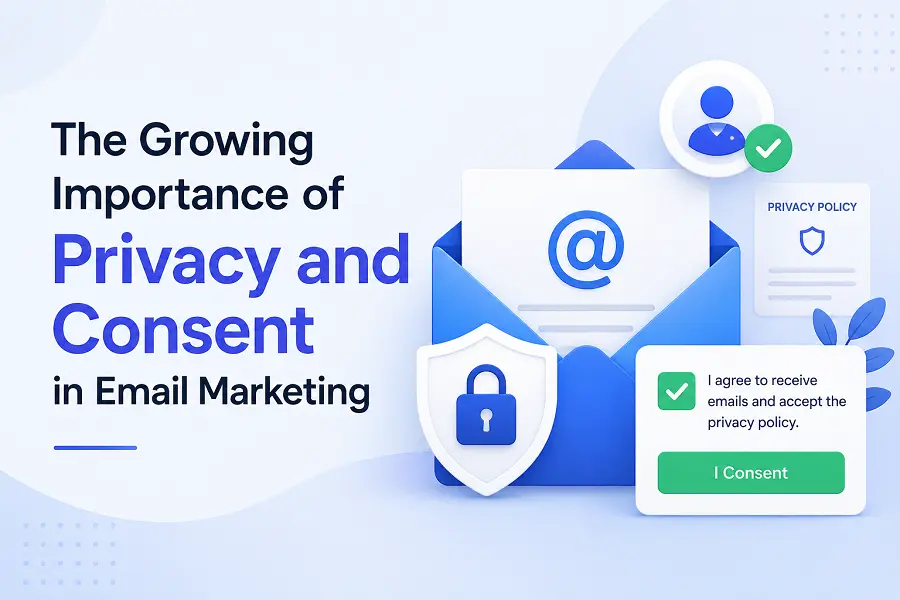
The mechanics of audience communication have fundamentally shifted from broad broadcast methodologies to strict permission-based interactions. For years, digital lists were compiled through aggressive acquisition tactics, passive pre-checked sign-up boxes, and obscure terms of service agreements. However, modern email frameworks and shifting consumer expectations have made clear consumer permission the defining asset of an effective digital marketing strategy.
This evolution is driven by both global compliance standards and major inbox providers enforcing rigid identity verification and user-experience controls. Content publishers can no longer treat user data as an unmonitored resource. Achieving long-term visibility within the primary inbox now requires an absolute dedication to data transparency and explicit audience autonomy.
Technical Authentication and Policy-Driven Inbound Filters
Major email utility platforms have established strict protective boundaries to secure consumer data and eliminate deceptive delivery patterns. These architectural updates look past the written content of a message to examine the underlying server configurations of the sender.
-
Cryptographic Domain Proofs: Advanced incoming servers systematically reject mail infrastructure that fails to properly deploy technical validation keys like SPF, DKIM, and DMARC. These protocols verify that the message originated from an authenticated domain, blocking sender impersonation.
-
The One-Click Removal Standard: Commercial correspondence must feature an instant, single-action unsubscribe mechanism built into the message header. Forcing users to remember login credentials or fill out feedback surveys to opt out results in automatic inbound filtering.
-
The Hard Ceiling for Spam Complaints: Senders must maintain a user-reported spam complaint rate strictly below 0.3%. Crossing this precise threshold tells major automated networks that your audience did not explicitly invite your messaging, causing immediate routing to junk folders.
-
Granular Tracking Disclosures: Embedded tracking pixels that quietly record open times and location data are increasingly regulated. Transparency frameworks demand that businesses declare monitoring activities rather than collecting behavioral metrics in secret.
Operational Workflow Principles for Explicit Permission
Transitioning to a consent-first architecture means redesigning how consumer data enters your database. Eliminating dark UX patterns protects long-term campaign viability and guarantees compliance with diverse international data guidelines.
-
Implement Verified Double Opt-In Flows: Always require an active confirmation click from the recipient’s inbox before adding their profile to a permanent promotional database. This initial step screens out invalid entries, bot registrations, and unauthenticated traffic.
-
Maintain Complete Consent Documentation: Record the precise timestamp, the legal language displayed at the moment of capture, and the specific registration form source for every subscriber. If challenged, a business must possess verifiable proof of how a customer granted permission.
-
Decouple Marketing Permissions from Terms: Never bundle newsletter subscriptions with software downloads or digital purchases. A consumer should be allowed to complete a transaction without being forced into an ongoing marketing sequence.
-
Synchronize Data Deletion Across Platforms: Ensure that an unsubscribe request or a data deletion demand updates your customer relationship management platform, email service provider, and auxiliary data platforms concurrently. Loose cross-platform data handling creates a major compliance vulnerability.
Elevating Brand Trust Through Transparent Data Processing
Respecting privacy is not merely a defensive legal check; it is a profound trust builder that improves baseline customer engagement. When a business explains exactly what it plans to send, how often, and what happens to personal profiles, consumers feel secure interacting with the brand.
Focus on creating preference centers that empower the user to self-select their communication frequency and topical interests. Giving your audience absolute control over their information stream completely changes the dynamic of the inbox. Instead of viewing your messages as an uninvited digital distraction, readers recognize your communications as an authorized, high-value asset tailored to their personal boundaries.
Conclusion
The intersection of privacy law and digital publishing has made user consent the primary prerequisite for inbox visibility. Senders who prioritize explicit permission over rapid, unverified list growth are consistently rewarded with better delivery rates, stronger reader trust, and healthier overall conversion metrics. True email marketing maturity relies on treating user privacy as a foundational requirement for sustainable business growth.
FAQs
What qualifies as explicit consent under modern privacy standards?
Explicit consent means a user must take an intentional, affirmative action to subscribe, such as checking an un-ticked box or clicking a confirmation link. Passive consent, pre-checked options, and subscriptions hidden within general agreements are invalid.
Can I legally email business contacts without their direct permission?
While some regional guidelines feature slight variations for business-to-business outreach, modern global rules typically treat corporate email addresses as personal data. Obtaining clear permission remains the safest practice to protect server health and delivery rates.
What is a one-click unsubscribe and why is it mandatory?
A one-click unsubscribe allows an individual to immediately remove their address from a distribution list with a single action directly inside the email header or body. It eliminates multi-step processes, questionnaire forms, and login screens.
How do tracking protection updates affect campaign analytics?
Modern operating systems and inbox tools frequently block tracking pixels, masking open rates and location data. Marketers must shift focus away from simple opens and prioritize tangible downstream engagement metrics like link clicks, direct replies, and conversion events.
Is it acceptable to buy or lease third-party email lists?
No, utilizing purchased or rented lists directly violates standard permission rules and compliance protocols. These contacts have not granted permission to your specific domain, which leads to immediate spam complaints and long-term delivery penalties.






Leave a Reply