


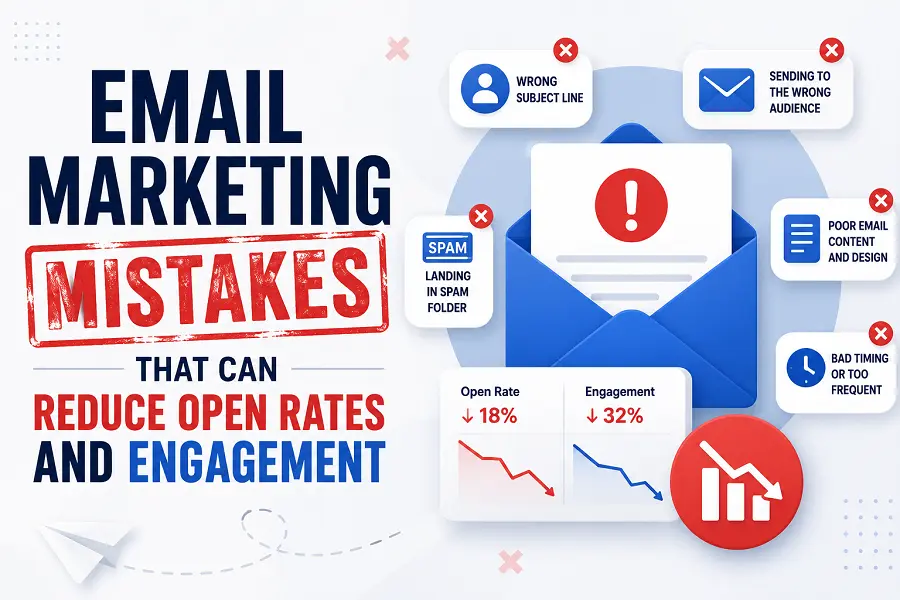
Maintaining a direct connection with an audience requires constant vigilance over the quality of your outbound messages. Many digital publishers unknowingly sabotage their performance by relying on outdated distribution habits. When open rates decline, it is rarely a random occurrence; it is typically a sign of fundamental friction between sender behavior and recipient expectations.
To protect campaign visibility, creators must identify the specific tactical missteps that alienate subscribers and trigger spam filters. Overcoming these obstacles requires shifting focus away from aggressive promotion and toward consistent audience utility. Removing common workflow errors ensures your messages systematically earn their place at the top of the inbox.
Technical and Creative Missteps in Audience Outreach
Subscribers pull away from digital communications when the core experience feels intrusive or poorly structured. Several widespread creative and behavioral errors actively drive down reader interaction metrics.
-
Misleading Subject Line Triggers: Using clickbait or artificial urgency to inflate initial opens backfires permanently. Readers who feel deceived by a title will delete future correspondence without opening it or report the message as junk.
-
Neglecting Mobile Formatting Constraints: A large percentage of recipients review messages on handheld screens. Heavy graphics, rigid multi-column layouts, and tiny fonts cause immediate abandonment due to poor readability.
-
Inconsistent Distribution Schedules: Sending three updates in a single week followed by a month of total silence confuses your audience. This erratic cadence destroys top-of-mind awareness and leads to high unsubscribe volumes when communication suddenly resumes.
-
Ignoring Preheader Optimization Opportunities: The preview snippet visible next to the subject line is critical real estate. Leaving this area unoptimized often results in it displaying raw code or generic tracking text, wasting a prime chance to hook the reader.
Operational Workflow Flaws That Undermine Conversion
Behind-the-scenes structural problems can quietly erode the value of an otherwise strong campaign strategy. Addressing these deep-seated operational flaws keeps your distribution ecosystem healthy and profitable.
-
Relying on Single Opt-In Methods: Collecting addresses without a secondary confirmation step fills databases with typos, temporary accounts, and malicious bots. This unverified growth quickly dilutes genuine reader interaction percentages.
-
Overcomplicating the Opt-Out Mechanism: Hiding the unsubscribe button or forcing users through complex login screens induces frustration. Angry subscribers will simply click their provider’s spam button, which directly damages your long-term domain reputation.
-
Failing to Clean Secondary Data Segments: Keeping cold, unengaged profiles on active distribution lists lowers overall performance metrics. Major internet service providers interpret low interaction across a database as a sign that the sender lacks relevance.
-
Sending Generic Blast Layouts: Treating an entire database as a single monolithic block destroys engagement. If new subscribers receive the exact same messaging as long-term buyers, both groups eventually tune out.
Overcoming Deliverability Pitfalls and Spam Filters
A major driver of declining open rates is the invisible shift from the primary inbox to the promotional or spam folders. Modern email filtering mechanisms assess the language, links, and overall structural footprint of every incoming file.
To stay compliant, avoid overusing aggressive sales vocabulary, excessive capitalization, and repetitive punctuation marks in your body copy. Ensure your domain configurations feature verified cryptographic authentication protocols to prove your business identity to inbound servers. Additionally, maintain a healthy balance of text to imagery; messages containing only large graphics with zero supporting paragraph text are frequently flagged as high-risk by automated security infrastructure.
Conclusion
Reversing a downward trend in audience engagement requires a commitment to clean list mechanics and honest communication. By eliminating deceptive titles, prioritizing mobile readability, streamlining opt-out paths, and respecting inbox filters, you create an environment where subscribers look forward to your updates. Sustainable growth is built entirely on providing a friction-free user experience.
FAQs
Why are my email open rates dropping suddenly?
A sudden drop usually indicates that your messages are being routed to the spam or promotions folder instead of the primary inbox. This is typically caused by a sudden spike in user complaints, unauthenticated sending domains, or an accumulation of inactive addresses on your list.
How does a high spam complaint rate affect future campaigns?
Internet service providers track how often recipients flag your messages as junk. A high complaint rate signals that your content is unwanted, causing providers to automatically block or redirect your future campaigns across their entire network.
Should I stop using images in my emails completely?
No, images are perfectly fine when used in moderation. The key is maintaining a balanced text-to-image ratio so automated filtering tools can easily scan and verify the contextual relevance of your written content.
What is a healthy average open rate for most industries?
While performance varies by sector, an open rate between 15% and 25% generally indicates a healthy, well-maintained campaign. Falling below 15% suggests it is time to scrub your list and re-evaluate your subject line strategy.
How often should I clean my subscriber list to maintain high engagement?
Performing a thorough database cleanup every three to six months is highly effective. Removing or isolating profiles that have not interacted with your content in 90 days instantly boosts your deliverability and overall engagement percentages.







Leave a Reply