


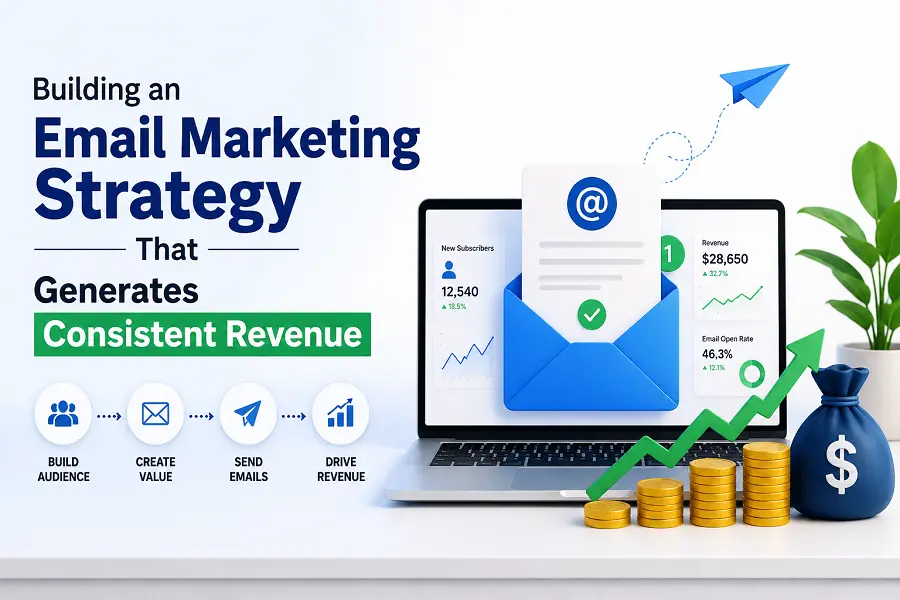
Monetizing an audience through direct messaging requires moving past sporadic newsletters and generic blasts. Reliable revenue generation stems from treating the inbox as a venue for personalized, value-driven communication. When properly structured, automated messaging becomes a predictable driver of business growth rather than an afterthought.
Modern consumers demand relevance and utility from the brands they allow into their digital personal spaces. Achieving high conversions means building infrastructure that respects subscriber attention while systematically guiding them toward purchasing decisions. By focusing on alignment, timing, and genuine helpfulness, businesses turn simple mailing lists into high-yielding assets.
Laying the Infrastructure for List Segmentation
Dividing a broad audience into specific, manageable categories prevents engagement fatigue and maximizes conversions. Rather than sending identical promotional materials to every subscriber, sophisticated programs isolate users based on behavioral and psychological triggers.
-
Behavioral Triggering: Track how users interact with initial digital touchpoints to group them by real-time interest. A user looking at specific product guides requires different messaging than someone downloading a high-level industry report.
-
Preference Centers: Allow subscribers to explicitly state their content desires and preferred delivery schedules upon registration. Giving users control over their frequency significantly lowers opt-out metrics.
-
Lifecycle Mapping: Distinguish between newly acquired leads, one-time buyers, and long-term brand advocates. Tailoring incentives based on historical relationship length ensures promotional offers remain contextually appropriate.
-
Engagement Velocity: Separate highly active readers from those who have ignored communications for several months to avoid damaging delivery metrics.
Crafting High-Conversion Automated Sequences
Automated messaging workflows handle the heavy lifting of nurturing prospects into buyers without demanding daily manual intervention. Creating these funnels requires a logical progression that builds trust before asking for financial commitments.
-
The Transparent Welcome Journey: Deliver the exact incentive promised during sign-up immediately. Use this initial touchpoint to establish communication expectations and introduce core brand values without an aggressive sales pitch.
-
Problem-Solution Bridging: Address the specific pain points your audience faces through educational content. Position your offerings as natural resolutions to these challenges, using logical arguments rather than hyperbole.
-
The Cart and Browse Abandonment Safety Net: Remind users who left items behind by addressing common friction points, such as unexpected costs or shipping delays. Offering clarity or answers to common questions works better than immediate discounting.
-
Post-Purchase Loyalty Expansion: Check in with buyers after delivery to ensure satisfaction and offer relevant guidance on product usage. This specific timing represents the ideal moment to introduce complementary items or loyalty programs.
Optimizing Deliverability and Inbox Placement
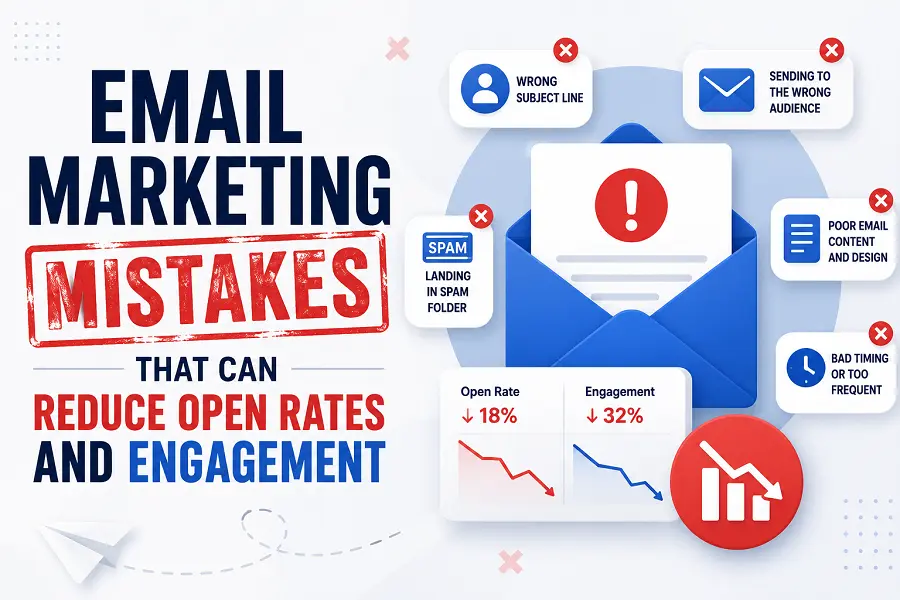
A revenue strategy fails completely if messages land in the spam folder or promotions tab. Protecting your technical sending reputation requires meticulous attention to background configurations and list hygiene.
Maintain clean lists by systematically removing unengaged profiles every quarter. Consistently sending messages to abandoned accounts signals to email service providers that your content lacks value, which degrades overall distribution. Additionally, authenticate your sending domain using standard technical protocols like SPF, DKIM, and DMARC to prove identity verification and block malicious spoofing attempts.
Focus on clear, plain-text formatting and avoid excessive code or heavy image files that slow down loading speeds. Prioritizing fast, readable, and highly accessible text structures satisfies automated filtering systems while providing a clean, distraction-free reading environment for your human audience.
Conclusion
Generating predictable revenue through email marketing is an exercise in empathy and consistency. By building specialized segmentation frameworks, engineering logical automated funnels, and maintaining flawless technical health, businesses create an ecosystem where subscribers welcome commercial interactions. Prioritizing user needs over short-term sales spikes ensures long-term profitability.
FAQs
How often should a business send marketing emails?
Frequency depends on your audience’s preferences and business model, but consistency matters more than volume. E-commerce brands often see success with two to three targeted messages per week, while business-to-business firms may find a weekly or bi-weekly educational schedule more effective.
What is the most effective way to grow a revenue-generating list?
The most reliable method is offering highly specific, immediate lead magnets like exclusive calculators, specialized templates, or introductory discounts. Ensure the incentive aligns perfectly with the paid products you intend to offer later in the funnel.
How do plain-text emails compare to heavily designed HTML templates?
Plain-text or minimal HTML layouts often outperform image-heavy designs. They feel more personal, load faster across all mobile devices, and run a significantly lower risk of being filtered into promotional tabs by inbox providers.
When should a subscriber be considered inactive and removed?
Generally, if a subscriber fails to open or click any message within a 90-day window, they should be placed into a short re-engagement campaign. If they ignore those attempts, remove them to protect your deliverability rates.
What metric is most important for measuring email revenue success?
While open and click rates indicate engagement, Revenue Per Subscriber (RPS) and overall conversion rate provide the truest measure of financial health. These metrics help verify if your messaging drives actual transactional behavior.





Leave a Reply